
Salford’s £2.5 Billion Question: Who Pays for the Crescent?
Salford’s Crescent regeneration programme promises thousands of new homes, workplaces and public spaces, with a headline development value of £2.5 billion. Government grants, council funding and private investment all have a part to play. But how much of the financial responsibility falls on Salford City Council, and how easily can residents find out?
By R. D. Kerr
Two and a half billion pounds is a considerable amount of money. It is also the sort of figure that looks rather different depending on whether you are announcing a regeneration programme or wondering how much of it might eventually come from your council’s budget.
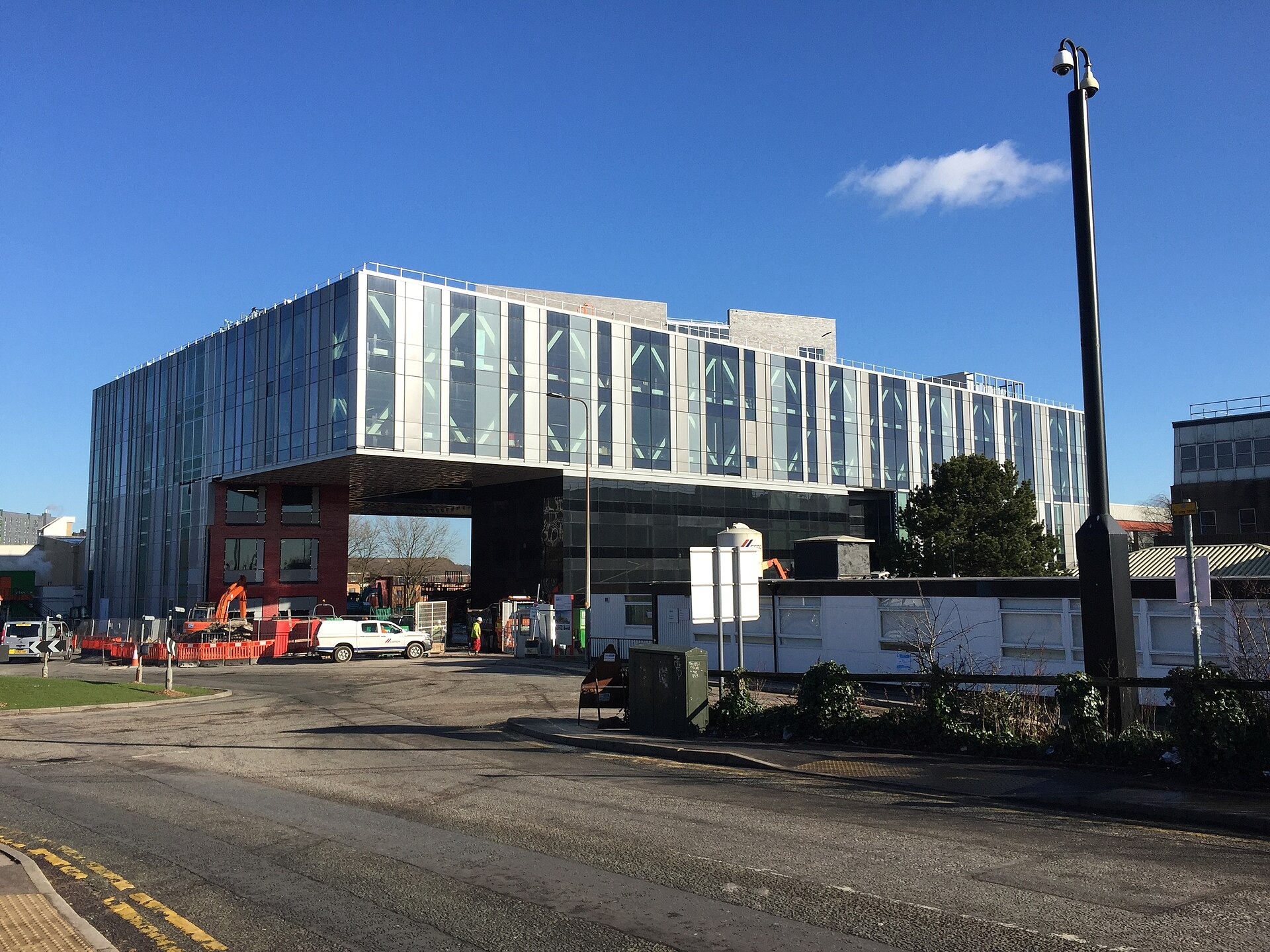
Salford’s Crescent development covers approximately 240 acres around the University of Salford, including established residential streets, university buildings, busy roads, and land earmarked for redevelopment. The plans promise more than 3,000 homes alongside research facilities, workplaces, public spaces and improvements to the connections between them. It is an ambitious undertaking, intended to reshape a substantial part of the city over many years.
The council and university appointed the English Cities Fund as their development partner in March 2020. The fund is a joint venture involving Homes England, Legal & General and Muse, bringing public-sector involvement together with private development investment. A framework approved by Salford City Council in January 2021 established the programme's direction, leaving individual schemes to progress through their own planning, funding and construction arrangements.
This is where the £2.5 billion figure needs some explanation. It represents the headline value of the development, not a bill presented to Salford City Council. The distinction matters because a regeneration partnership can involve government grants, private investment, publicly owned land and direct council spending without all those contributions being interchangeable. A council may be closely involved in a development without financing every building that appears in its publicity.
Finding out what Salford itself has committed means following the individual decisions, and Salford Rise provides a useful place to begin.
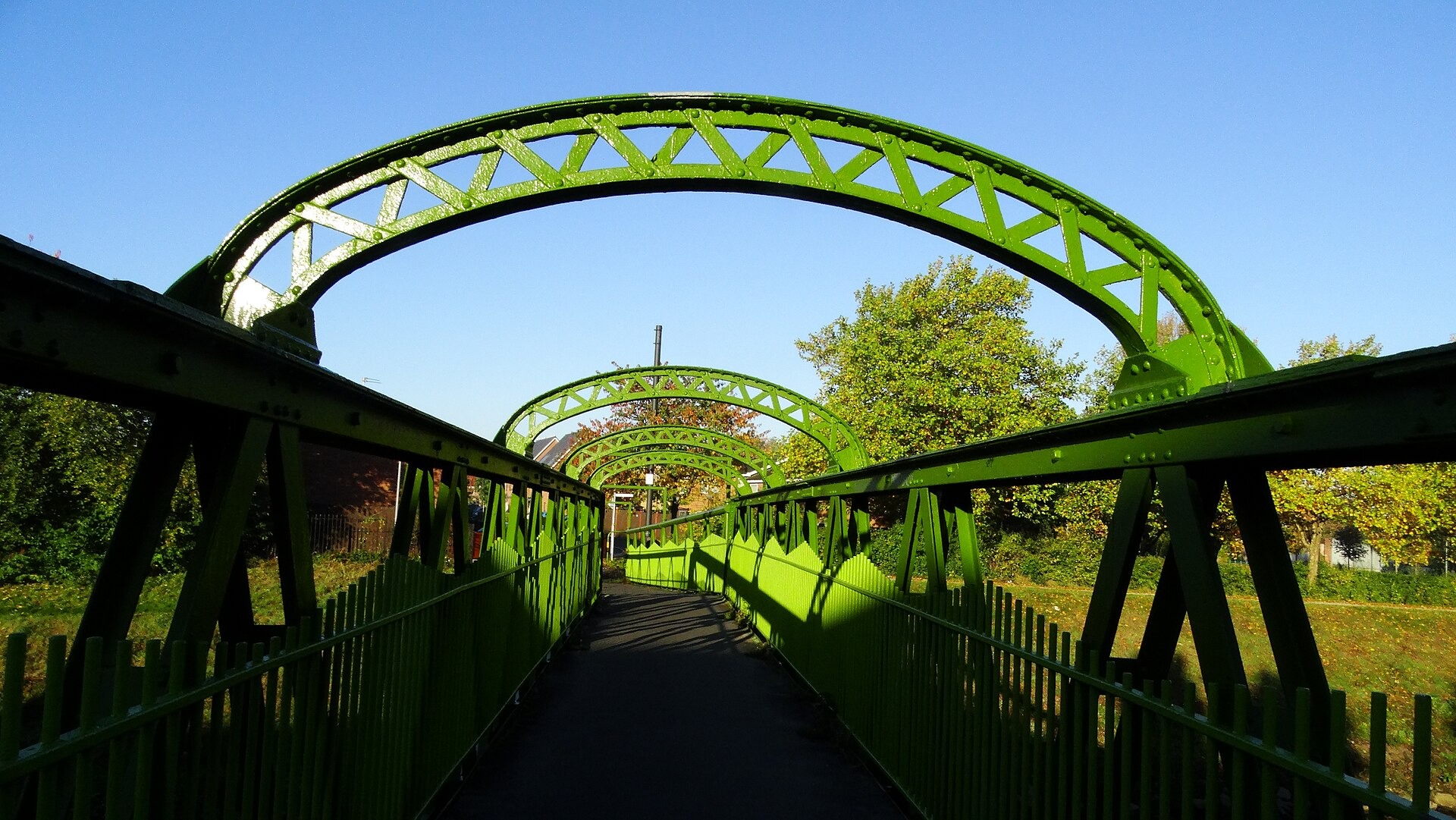
The project is intended to create a landscaped pedestrian and cycling connection over Frederick Road, improving access between the university district and communities to the north. The existing road network has long been awkward in parts of the area, and the proposed structure would provide a more direct route while including public space and planting.
It is not difficult to see the attraction. There is little point building a district intended to bring homes, education and employment closer together if reaching one from another still requires negotiating a busy road and a collection of inconvenient crossings. Salford Rise is intended to address that problem, although its success will ultimately be judged by the people making those journeys.
The government awarded £13.17 million towards the project through the Levelling Up Fund in 2021. A further £4 million was subsequently secured through the City Region Sustainable Transport Settlement. These are considerable contributions from outside the council’s own budget, but they do not tell the whole story.
The cost of Salford Rise had become a problem by July 2024. When the construction work went back out to tender, the prices reflected what had happened to the building industry in the meantime. The decision, signed on 22 July, reaffirmed the council's support for Salford Rise and identified a proposed contribution of up to £2 million from its 2025/26 Place Capital Programme to the anticipated shortfall.
Unlike the government grants, this was a proposed contribution from the council’s capital programme. The decision also referred to contractual arrangements for addressing additional costs, although it did not specify how the final bill would be divided between the partners. Nor does the record tell us how much of the proposed £2 million has been spent since.
The difficulty is not that the figures are impossible to find. The difficulty is knowing what they add up to. The Levelling Up award, transport funding and proposed council contribution each describe part of the arrangement, but they cannot be treated as a final construction account. That would require the latest project budget, actual expenditure and the agreements governing any remaining liabilities.
Away from Frederick Road, the Crescent is beginning to take shape through a mix of construction sites, completed buildings, and developments still awaiting progress beyond planning permission.
Crescent Innovation is intended to bring university research, businesses, and housing together in the same part of Salford. Plans approved in July 2024 include 933 homes, space for commercial and research activity, educational facilities, public areas and a movement hub. For now, those plans represent permission to build rather than completed buildings.
The university has its own building work under way. Construction began in November 2025 on a new £24 million acoustics research facility, with completion scheduled for 2027. Acoustics is already an established area of research at Salford, and the new building is intended to give that work more room to develop, bringing specialist testing facilities together with opportunities for academic and commercial research.
The former Farmer Norton car park is another part of Adelphi Village undergoing redevelopment. Permission was granted in December 2025 for 42 three-bedroom houses and 185 apartments, and by the following July work had started on both phases.
A little further along in the programme is Willohaus, where the first residents began moving in during June 2026, even before the development was formally completed the following month. Its 100 affordable Passivhaus apartments are owned and managed by Salix Homes, which has invested alongside Homes England and the Greater Manchester Combined Authority. Here, at least, the regeneration has moved beyond drawings and construction schedules to people actually living in the buildings.
The distinction between the two developments is more than a matter of construction timetables. Willohaus is providing homes now, including 30 apartments for social rent and 70 for affordable rent. Farmer Norton represents housing still being built, while proposals for another 263 homes on Peru Street received planning approval in June 2026.
All three contribute to the Crescent’s housing ambitions, but they cannot yet be counted as having delivered the same result. Planning permission is necessary; construction is in progress; and a completed home with someone living in it is something else again.
Behind the housing at Adelphi Village is a considerable amount of public investment. Salford City Council identifies £23.4 million from Greater Manchester's Good Growth Fund towards 336 apartments in two buildings. In January 2026, Greater Manchester Combined Authority approved changes to earlier housing grants, increasing the allocation for Farmer Norton Phase 1 by £1.74 million to £2.37 million and for Willohaus 2 by £1.06 million to £4.42 million.
There is a temptation to add up every announced grant and arrive at an impressive total. Unfortunately, regeneration finances are rarely so obliging. The January changes concerned existing Brownfield Housing Programme grants, with additional funding drawn from allocations previously approved for other Adelphi Village schemes. The £23.4 million Good Growth Fund award was announced separately. Without reconciling the underlying agreements, combining the figures would risk giving readers a misleading account of how much public money has been committed.
There are other ways for a council to contribute to regeneration, some of which are less obvious than a payment from its capital programme. Publicly owned land can hold considerable value, whereas infrastructure agreements may create responsibilities that reach beyond the initial construction work. A grant can also pass through a council’s accounts on its way to a development partner without representing money raised from the council’s own resources.
These distinctions matter when the original development agreements are revised.
In October 2025, Salford City Council authorised further arrangements involving Greater Manchester Combined Authority, Homes England and Transport for Greater Manchester, together with changes to its agreements with the English Cities Fund. The decision forms part of the continuing financial administration of the Crescent, although the detailed appendices have not been fully examined for this article.
Whether those changes increased Salford’s own contribution, altered the use of public assets or transferred additional financial risks cannot be established from the decision alone. The relevant agreements would need to be considered together before concluding the council’s wider exposure.
The paperwork did not stop in 2025. On 12 October the following year, Salford approved arrangements for another £677,500 in grants towards the Crescent. Homes England accounted for £242,500 of that money. The other £435,000 came from Greater Manchester Combined Authority, divided between £135,000 in growth funding and £300,000 from its Economic Development and Regeneration Fund. All of it was external funding, rather than a further contribution from Salford's own budget.
The money was to be handled through agreements between the council, the funding bodies and the English Cities Fund. The decision also gave designated council officers authority to accept further qualifying awards before March 2027, subject to the agreed conditions.
There is an important difference between Salford administering £677,500 of outside funding and Salford committing another £677,500 of its own money. The October decision concerns the former. It illustrates how public grants move through the development partnership, rather than providing evidence of an equivalent charge against the council’s budget.
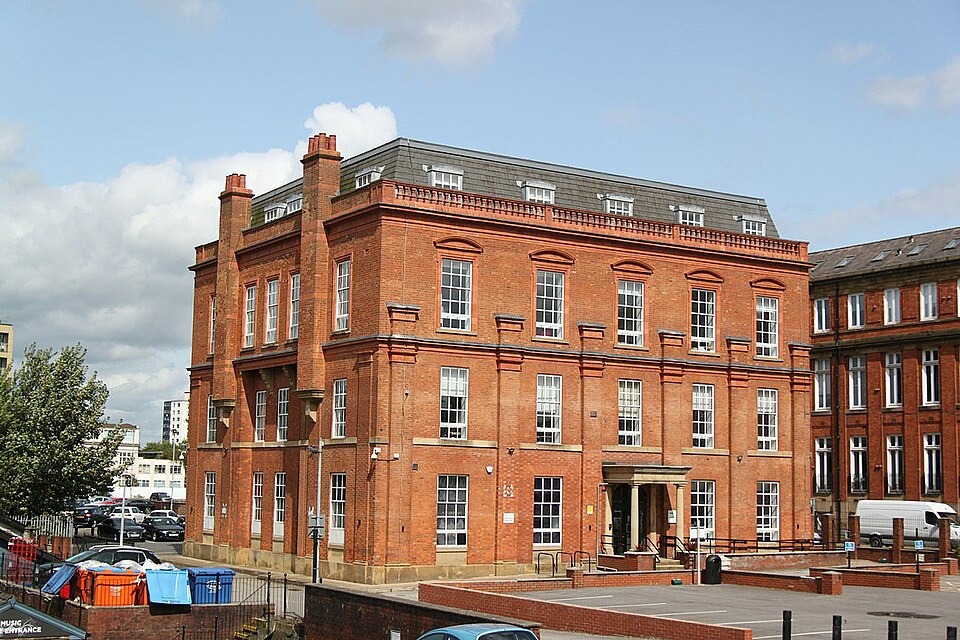
For people living around the Crescent, the value of regeneration will eventually be measured in considerably more ordinary terms. Can they find a home they can afford? Are the promised jobs accessible to residents? Do the new streets and public spaces make the area better to live in, or simply different from what existed before?
There are encouraging signs in the programme’s progress. Willohaus has delivered affordable homes; construction is underway elsewhere in Adelphi Village; and the university’s research facilities are expanding. The wider development could bring considerable benefits to Salford, particularly if the investment creates lasting employment and improves connections between communities that have previously been divided by the road network.
Those benefits will take time to judge. A research building does not automatically establish how many jobs will reach local people, just as planning approval for hundreds of homes does not immediately ease the pressure on housing. The results matter, but so does the public investment required to achieve them.
That brings the argument back to the first question. Salford City Council is an important partner in the Crescent, and its decisions identify a proposed capital contribution towards Salford Rise alongside numerous agreements involving external funding. What they do not provide, at least in the records examined here, is a single reconciled account of the council’s financial commitments across the entire programme.
Such an account would need to bring together direct spending, grants, land arrangements, contractual obligations and any later changes to the existing agreements. It would also need to distinguish money authorised from money actually spent. Without that work, neither the council’s full contribution nor the financial risks it has accepted can be established with confidence.
None of this indicates that public money has been misused, and the £2.5 billion headline certainly does not mean the council has undertaken to pay that amount. Regeneration on this scale is complicated, involving several organisations and many decisions spread across years. Complexity, however, does not make the underlying financial questions any less reasonable.
The Crescent may eventually provide Salford with new neighbourhoods, better connections and facilities that serve the city for decades. Residents will be entitled to judge whether those promises have been fulfilled, and whether the public contribution was worthwhile.
Two and a half billion pounds tells us the size of the ambition. The more useful question is how much of that ambition Salford has agreed to pay for.

Post a comment