
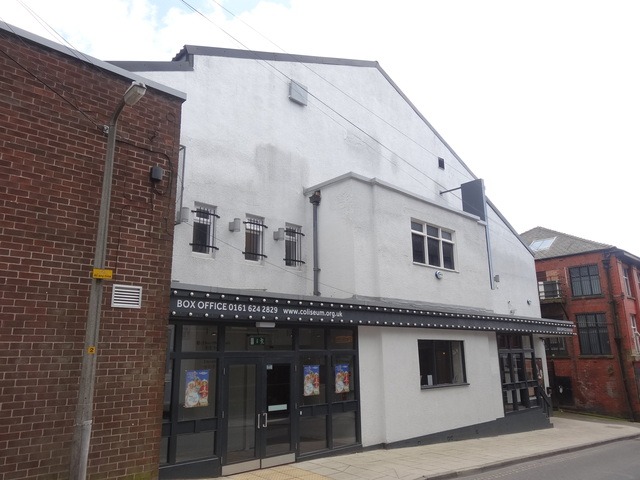
Oldham Coliseum and the Difficult Business of Saving a Theatre
The campaign to save Oldham Coliseum secured a future for its historic building, but reopening the doors is only part of the challenge. The theatre’s experience raises wider questions about what towns stand to lose when their cultural institutions disappear.
By R. D. Kerr
When Oldham Coliseum closed its Fairbottom Street theatre in March 2023, Oldham lost a familiar venue and the performances it had provided for generations. What happened to the theatre itself was less straightforward. A producing company does not simply unlock a building and invite an audience inside. It employs artists, develops productions and builds relationships that can take years to establish.
The closure followed the loss of regular funding from Arts Council England. The Coliseum had failed to retain its place in the National Portfolio for 2023–26 amid concerns about financial management, leadership, and governance. Arts Council England did not order the theatre to close. Its decision nevertheless left an already vulnerable organisation facing a difficult financial future.
The campaign to save Oldham Coliseum drew support from residents, actor Julie Hesmondhalgh and writer Ian Kershaw. The existing Fairbottom Street theatre had been earmarked for replacement by a new venue on Union Street. Those plans were dropped in July 2024, when Oldham Council committed £10 million to restoring the Coliseum.
Getting the old theatre ready has taken considerably longer than expected. Christmas 2025 was the first target, followed by 2026. The latest timetable puts reopening in 2027. Much of the work has been out of public view, including a new roof and improvements to backstage accessibility. Surveys also revealed asbestos and structural problems, and in July 2026 the council announced another £7 million in grant funding.
The refurbishment has also produced a few surprises. Workers discovered a previously unknown basement beneath the entrance foyer, along with a Coliseum membership card dating from 1953. The card is a small memento of how long the building has been part of Oldham’s cultural life. The basement is rather less convenient when the intention is to complete a major building project on schedule.
The public sees the performance, not the condition of the roof above it or the staircase behind the stage. Those less glamorous details tend to make themselves expensive when an old theatre is being brought back into use.
Meanwhile, the Coliseum company has not been waiting for the builders to finish. It has continued to develop artists, work with communities, and present productions elsewhere in Oldham, including at Whittles and George Street Chapel. Its chief executive, Martina Murphy, has stressed that the organisation remains active while Fairbottom Street is refurbished.
A producing organisation brings together performers, directors, designers and technicians to make work of its own. Without a permanent home, it must find rehearsal rooms, storage, technical facilities and places to perform. The company can survive a closed auditorium, but keeping its work going becomes harder.
Fairbottom Street matters for reasons that are not all practical. People remember the productions they saw there, often long after the sets have been dismantled and the cast has moved on. They remember who went with them, too. Such memories help explain why so many people wanted the building saved, although they cannot pay the bills that come with reopening it.
Capital funding can replace a roof or improve backstage access. It cannot, on its own, cover the continuing costs of actors, technicians, rehearsals, utilities and administration. Oldham Council has committed substantial money to the building; the producing organisation still needs a way to sustain the programme that will fill it.
Restoring the auditorium will count for little if the Coliseum cannot afford to stage productions regularly. The company has managed to continue working in other venues, although finding suitable spaces for rehearsals and performances presents its own challenges. A permanent home would make that work easier, provided there is enough money to keep it running.
Greater Manchester has several examples of theatres operating differently. The Royal Exchange is housed in one of Manchester’s most recognisable cultural buildings, while HOME brings theatre, cinema and visual arts together. Neither is a substitute for a theatre rooted in another town simply because a bus or tram can take an audience into the city.
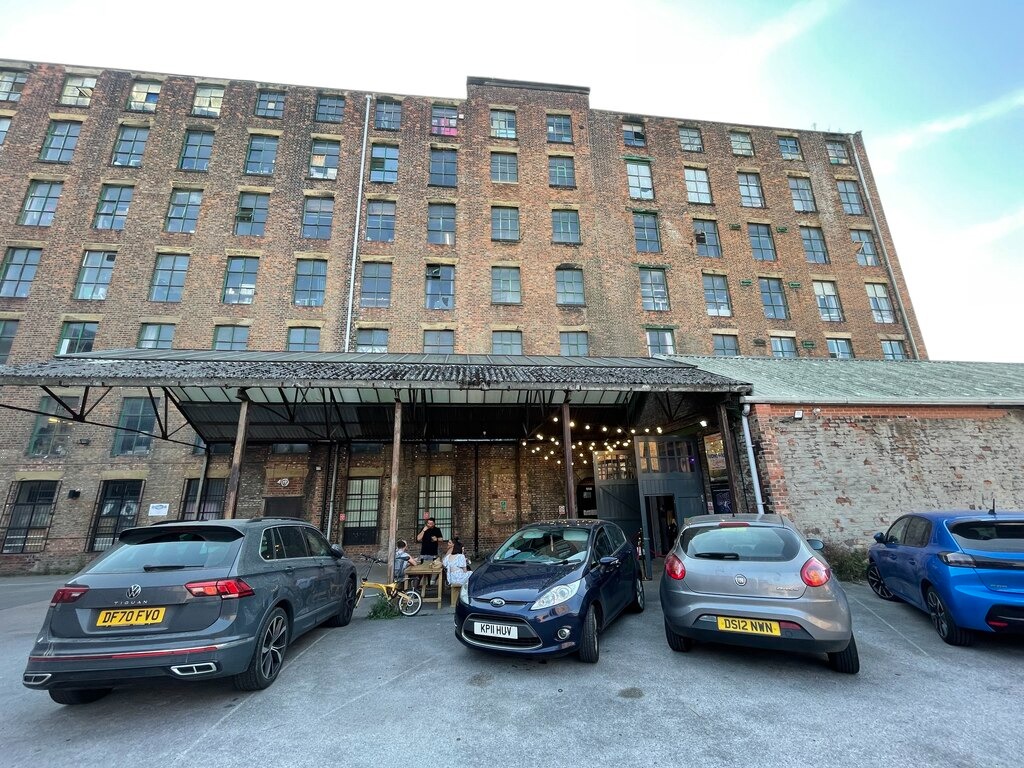
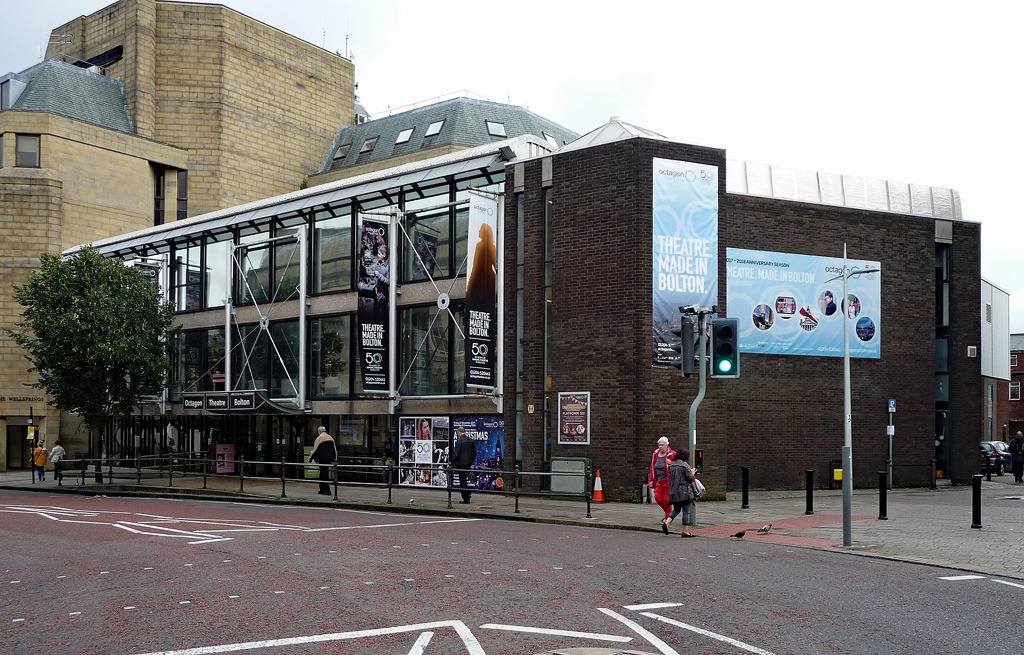
Bolton’s Octagon has built its identity around producing work for audiences in and beyond Bolton. Hope Mill Theatre, established in a former industrial building in Ancoats, shows what a smaller independent venue can achieve. Its scale can make room for experimentation, even though smaller organisations may have less financial protection when costs rise, or a production struggles to sell tickets.
These theatres offer different kinds of work and opportunities. Losing one does not mean its audiences, artists or programme can be absorbed by another.
For actors, writers, directors and technical staff, a regional producing theatre is also a place to work. Touring productions bring performances to an area, but they cannot replace all the jobs and experience created when work is developed locally. A career in theatre should not depend on moving to London at the first opportunity.
Audiences have practical concerns of their own. A production being staged somewhere in Greater Manchester is of limited use to someone who cannot afford the ticket and travel, or cannot get home afterwards. For families and younger audiences, having a theatre nearby can make the difference between attending regularly and not going at all.
A local company can work with schools, community groups and people who might never have thought of buying a theatre ticket. Those relationships are difficult to reproduce from a distance. They are also easy to overlook when cultural provision is discussed mainly in terms of buildings and audience totals.
Oldham’s designation as Greater Manchester Town of Culture for 2026–27 adds another dimension to the Coliseum’s future. With the theatre’s permanent home still closed, the borough has an opportunity to introduce new audiences to its cultural organisations.
The timing is significant. A restored theatre returning to a town with fresh cultural ambitions could find opportunities to develop its programme and expand its audience. But the enthusiasm generated by a year of cultural events will need somewhere to go once the celebrations are over.
None of this exempts theatres from financial scrutiny. Councils have competing demands on their budgets, and organisations receiving public money should be able to explain who benefits from it. A long history is a reason to consider saving an institution, not proof that every future decision will be right.
The economic case is worth making, within reason. Theatres employ people, buy services and bring customers into town centres. Nearby restaurants may be grateful for a busy evening performance. But it would be an unusual state of affairs if the strongest argument for staging a play were the number of meals sold before the curtain went up.
Oldham now faces the question of what sort of theatre will return to Fairbottom Street. The campaign was built on affection for its past, but the audiences, costs and expectations awaiting it will not be those of 2023. Its programme will need to serve people who already know the Coliseum while giving others a reason to discover it.
The company’s work elsewhere in the borough during the closure may help. It has kept some of those links alive rather than leaving a gap until the night of reopening. Whether that work can be brought together with a refurbished venue, and supported over the years that follow, will matter more than the ceremony of unlocking the doors.
Oldham has won a pledge to repair a building many feared was lost. Its theatre company has carried on without it. Bringing them back together would be an achievement; keeping them together is the more demanding task.
The building is where the performances happen. The theatre is everything required to make them possible.

Post a comment