
The Pub Tourists Don't Know About
Some of Britain's most interesting pubs are hiding in plain sight. Perhaps we should start treating them as part of the places visitors have come to see.
By R. D. Kerr
Go somewhere unfamiliar in Britain and finding a pub is rarely difficult. Finding one you actually want to walk into can be rather more complicated.
The obvious solution is often Wetherspoons. You know roughly what you are getting before you open the door. There will be food, beer, somewhere to sit and usually a building considerably more interesting than it strictly needs to be. For somebody visiting an unfamiliar town, that familiarity has value. You do not need local knowledge or somebody's uncle explaining that the place on the corner is perfectly friendly despite looking as though nobody has cleaned the windows since decimalisation.
Wetherspoons also deserves more credit for its buildings than it sometimes receives. Banks, cinemas, post offices and other large buildings that might otherwise have struggled to find another use have been turned into pubs. Whatever someone thinks of the company, preserving and reusing an old building is preferable to watching another one deteriorate behind temporary fencing until someone decides flats would look nice there.
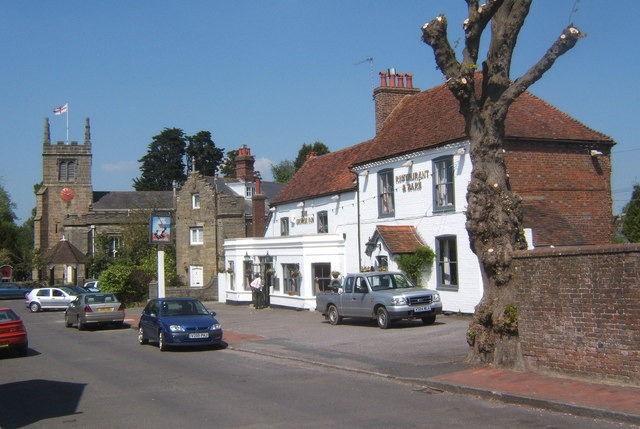
There is another sort of pub, though, that tourists can quite easily walk past. The local is often treated as somewhere to eat or drink after you have finished seeing the interesting things. Visit the church, walk around the castle, explore the old streets, find the museum, and then find somewhere for lunch. The pub provides refreshment between the attractions, when sometimes it ought to be counted among them.
VisitBritain research has found that around 41 per cent of international visitors go to a pub while they are in Britain. That should not be particularly surprising. The British pub is one of those institutions that people abroad already associate with the country, alongside red buses, afternoon tea, castles and our apparently inexhaustible ability to discuss the weather. If visitors are already interested in pubs, perhaps we could be a little better at showing them the ones they would never otherwise find.
A good local pub is not simply a room containing beer. Its character has accumulated where it stands. The building may have been there for centuries. The name might refer to a landowner, trade, historical event or piece of local folklore that most people now repeat without remembering where it came from. Photographs behind the bar show people nobody except the regulars can identify. Somebody knows why the fireplace is shaped strangely, what used to stand across the road and which previous landlord did something sufficiently ridiculous to remain part of pub history thirty years later.
Old pubs also tend to acquire ghosts. I once visited one where the ghost story was not presented as an elaborate tourist attraction. There was no spectral experience package, no QR code and nobody trying to sell me a commemorative mug. It was simply part of the place. This happened here; somebody had seen that, another person had heard something upstairs, and everybody had their own opinion about whether any of it was true.
I don't particularly care whether the ghost exists. The story does. People had been telling it for years. Ask about it and one person remembered something upstairs, somebody else had heard a different version, and before long nobody seemed entirely sure where the original story ended.
You could rebuild the pub brick for brick somewhere else. You couldn't take that with you.
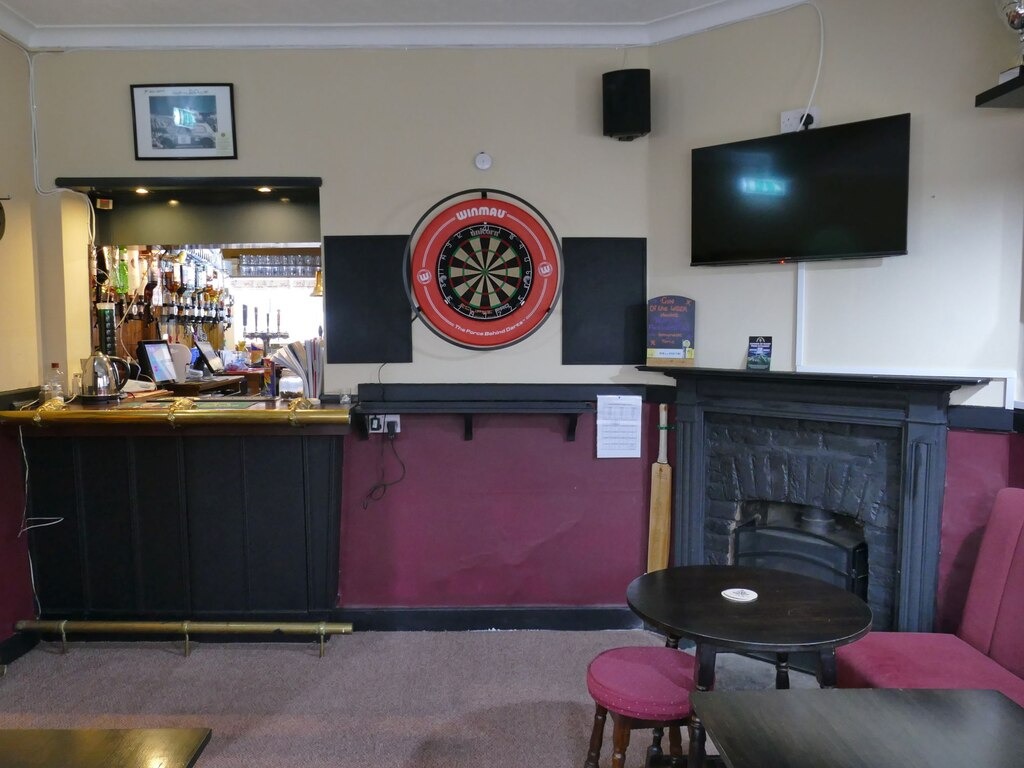
That's part of what makes a local worth finding when you're somewhere unfamiliar. It isn't an argument against chains, and plenty of chain pubs occupy remarkable buildings with histories of their own. Sometimes you want to know roughly what the menu will contain, what a pint will cost and whether the place is going to serve food at three in the afternoon. A local rooted in one particular place offers something different, but only if visitors know it is there.
Oddly enough, helping them find it need not require very much. A village pub does not need to become a visitor centre. Nobody needs to put the landlord in period costume or install an interactive display beside the fruit machine. A small rack or board with a few things worth seeing nearby would do: the church around the corner, a local walk, the remains of an old railway, a museum nobody knows is there, an independent shop worth visiting or a historic building that is easy to miss from the main road.
The relationship could work in both directions. A church, museum or heritage attraction can tell visitors there is a good pub ten minutes away, while the pub can tell them that the church they drove past contains something worth stopping for. The arrangement needn't be particularly sophisticated. A visitor who came for one thing might discover another, and perhaps spend a little more time and money in the place while doing it.
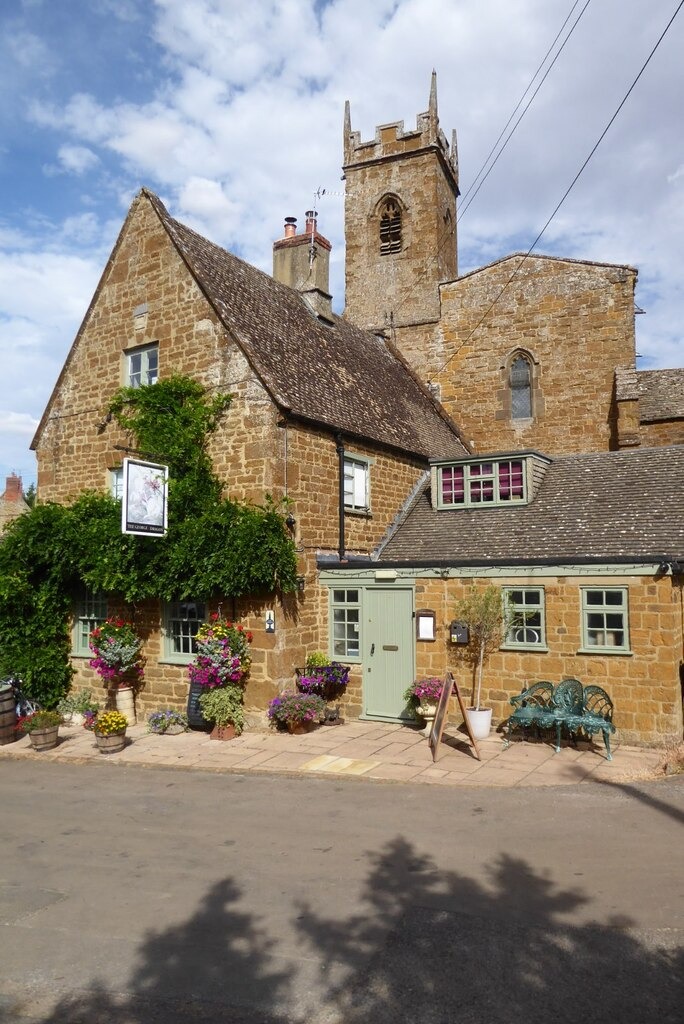
That could be particularly useful in smaller towns and villages because tourism has a habit of concentrating people. We know where visitors are supposed to go, so we send more visitors there. They follow the established route, photograph the established things and spend money in businesses already positioned to receive them. Meanwhile, a village a few miles away may have a medieval church, an old inn, an interesting walk and enough local history to occupy an afternoon without appearing on anybody's itinerary.
We sometimes assume a tourist attraction has to be large enough to advertise itself as one, but the internet occasionally demonstrates how little that is true. Binley Mega Chippy became famous because of a ridiculous TikTok song, and people travelled to Coventry to stand outside a chip shop that had become an internet joke. Whatever else that episode tells us about civilisation, it demonstrates that people are perfectly willing to visit places for reasons nobody responsible for tourism strategy could possibly have predicted.
I'm not suggesting Britain's pubs begin composing TikTok songs. Some things are too high a price to pay even for increased footfall. But if people will make a journey because the internet has made an ordinary chip shop interesting, persuading somebody already visiting an area to walk ten minutes to a genuinely historic pub does not seem especially ambitious.
It certainly isn't going to solve the problems facing the pub trade. The pandemic was brutal, and the pressures did not disappear when the doors reopened. Energy, staffing, food and drink costs all matter, while people's drinking habits have changed. A leaflet about the Norman church down the road is not going to rescue a struggling business, but a few additional customers are still a few additional customers.
There is a broader benefit too. Not every pub needs to be remarkable; some are simply good places to have a pint, and that is quite enough. Others are pieces of local history still doing roughly what they have done for generations. People eat, drink, argue, celebrate, complain and tell stories inside them. The history hasn't been removed from ordinary life and placed behind glass. You can order a pint in the middle of it.
That doesn't mean turning locals into themed attractions where regulars become part of the scenery. A pub exists for its community before it exists for somebody's weekend away, and tourism that destroys the thing people came to experience is not much of a victory. The best approach may be to change almost nothing about the pub itself.
Tell people it is there. Tell them something about the building and point them towards the things nearby. Ask those places to return the favour, then let the landlord get back to running a pub. The culture is already there, and so is the history.
We are perhaps too accustomed to thinking of tourism as something that has to be constructed: a new attraction, a visitor centre, an experience or a campaign. Sometimes those things are useful. Sometimes the attraction has been standing on the same corner for two hundred years, and nobody has thought to put it on the map.
Tourists already come to Britain wanting to visit pubs. We don't necessarily need to invent something new for them to see. We might just need to get better at pointing out the places we stopped noticing because they were there all along.

Post a comment