
The Decline of the Newsagent
The newsagent did more than sell newspapers and magazines. It gave us somewhere to find the things we didn't know we were looking for.
By R. D. Kerr
I went into WHSmith at the Trafford Centre recently looking for The Sunday Telegraph and The Guardian. Neither was on the rack. This was WHSmith; if I couldn't find the papers there, where exactly was I supposed to go?
Richard cried, “A horse! A horse! My kingdom for a horse!” By this point, your writer was beginning to understand him. I wasn't swapping my Citroën for a newspaper, but what can you do?
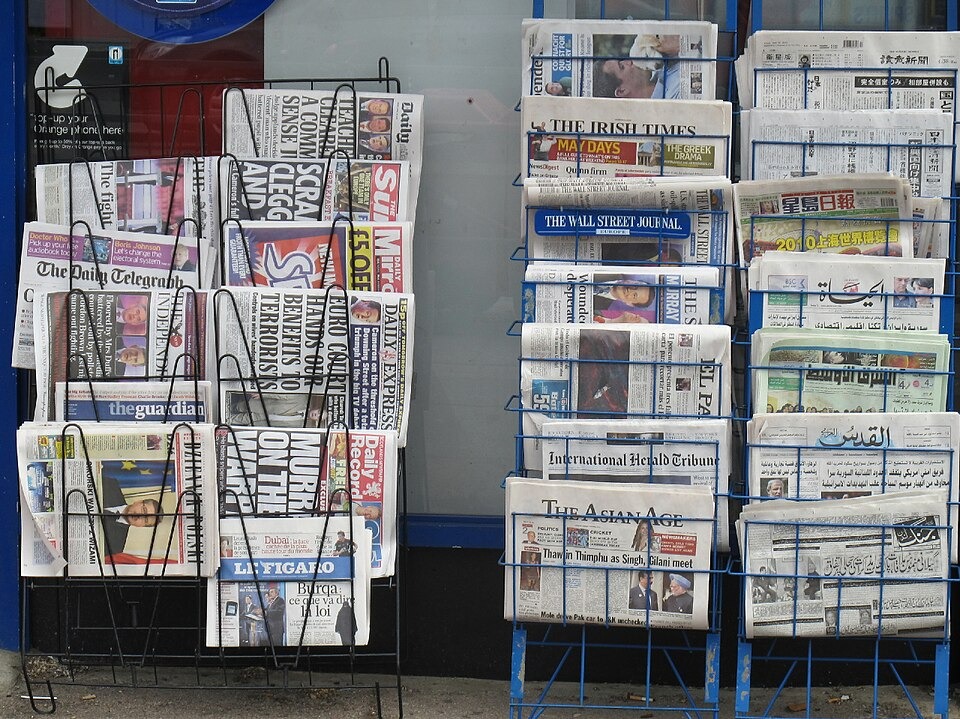
Growing up, the answer would have been obvious: the newsagent. That was where I bought my papers. You went in for a newspaper, and there was a magazine rack beside it, filled with titles you knew, plenty you didn't, and usually something produced for twelve people with an unusually specific interest. You might have gone in knowing exactly what you wanted, but that didn't necessarily mean it was what you came out with.
My grandfather got me into comics by saving Teenage Mutant Ninja Turtles comics for me, and I devoured them. The newsagent was where I started choosing for myself. The first publication I properly fell in love with was the Beano. I still collect it now.
As a child, a new issue was an event. I'd want to know what Dennis had done this time, or what the Bash Street Kids had managed to get away with. I'd read it until the pages started showing it, then keep it or swap it with somebody. The following week I'd be back at the rack looking for the next one. Half the fun was seeing what else had turned up beside it. Sometimes I'd come away with something I'd never heard of.
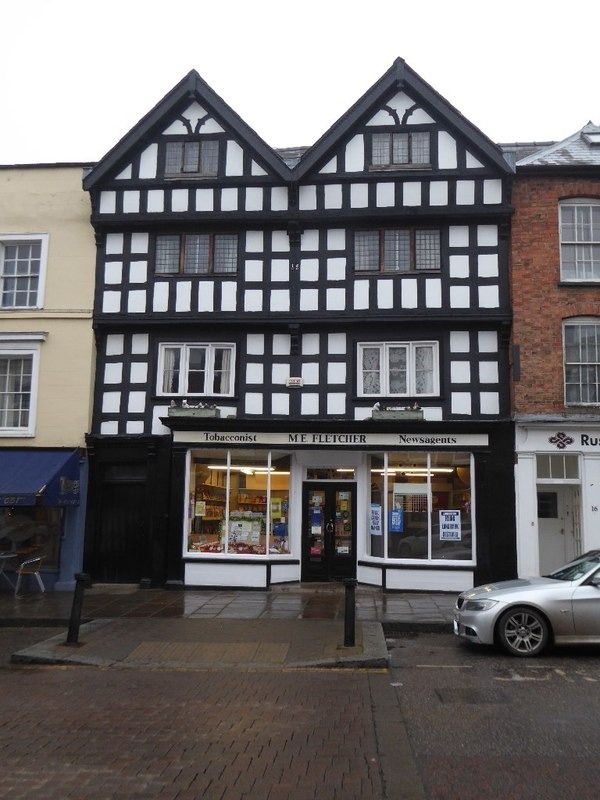
I didn't go into the newsagent with a reading list. You looked. Something caught your eye beside whatever you'd gone in for. Sometimes you picked it up, flicked through it and put it back. Sometimes it came home with you, and you returned the following week or month looking for another.
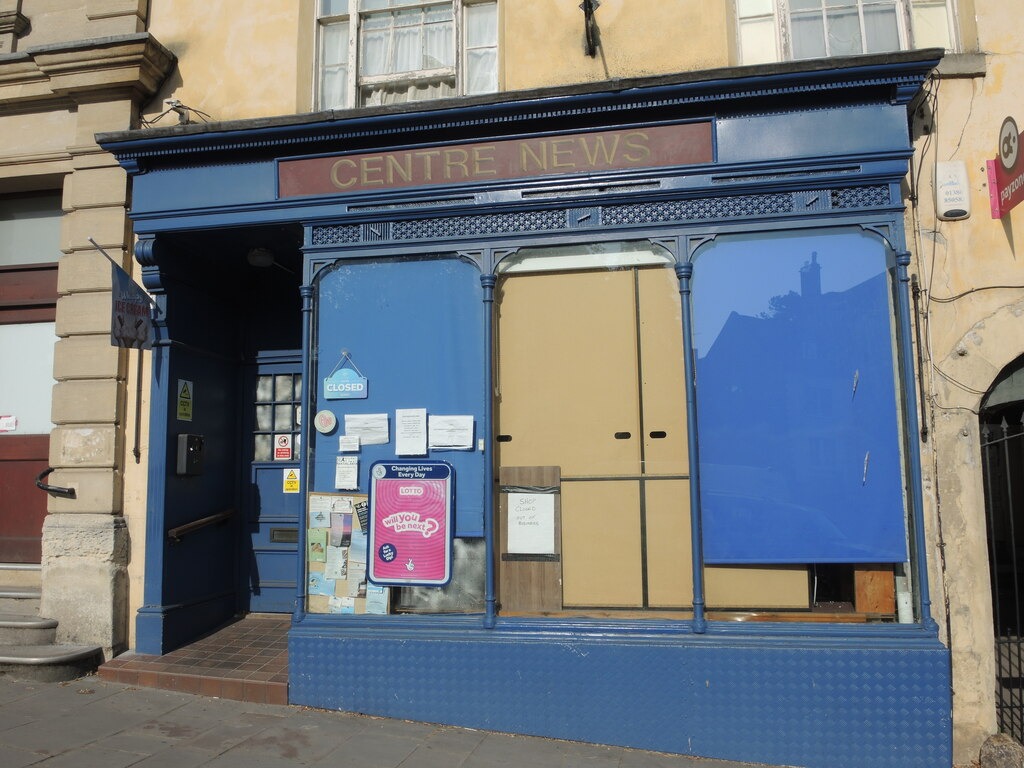
That experience is becoming harder to find. WHSmith sold its UK high-street business in 2025, with roughly 480 stores passing to Modella Capital and subsequently becoming TGJones. In 2026, a restructuring of TGJones allowed for up to 150 stores to close.
For magazines, the consequences reach beyond the names above the doors. Publishers and distributors have been developing plans to redirect customers to nearby independent retailers as TGJones stores close. Industry reporting suggests that some specialist titles have been particularly exposed: sales data reviewed by Better Retailing indicated that as much as 70 per cent of some titles' retail sales came through the TGJones estate.
A magazine can still have readers even if it becomes harder to find. Plans for dealing with the closures include identifying nearby independent retailers, redirecting customers, and, in some cases, providing additional magazine fixtures to shops expected to capture displaced sales. There is only so much room on a rack, though, and every title occupying it has to justify being there.
Physical print has other pressures that digital publishing can avoid, but the picture isn't simply one of print dying. The publishing trade itself shows subscriptions remaining important, even as publishers build digital communities and contend with changes in the costs and practicalities of physical distribution.
The choice between the two is not disappearing because everybody suddenly decided paper was obsolete.
Take Readly. It puts an absurd number of publications on a tablet for less than I'd once have spent buying a handful individually. I use it, and I'm going to review it properly at some point. It's good, but I also find it strangely clinical: everything is there behind glass. Search, select, swipe. If you know what you want, you'll find it faster than you ever could in a newsagent.
The old paper shop wasn't particularly efficient. You could spend ten minutes at the magazine rack when you'd only gone in for a newspaper. I'd pick things up because the cover looked interesting, flick through them, put most of them back and occasionally find something I'd never bought before. Sometimes I'd be looking for it again the following month. No algorithm was required; the recommendation system was a shelf.
Perhaps that's what I miss. I'm not interested in choosing a side between print and digital. I use both. Readly gives me a range of magazines no newsagent could realistically stock, and I wouldn't give that up. But I still like picking up a magazine. More than that, I like finding one I hadn't gone looking for. I'd rather keep both options than be told eventually that one of them is no longer practical.
I can still get the Beano. I can read newspapers online. Readly can give me more magazines than my childhood newsagent could have stocked. In practical terms, I've lost very little.
I wish I could still walk into a shop and buy the bloody newspaper I went in for

Post a comment