
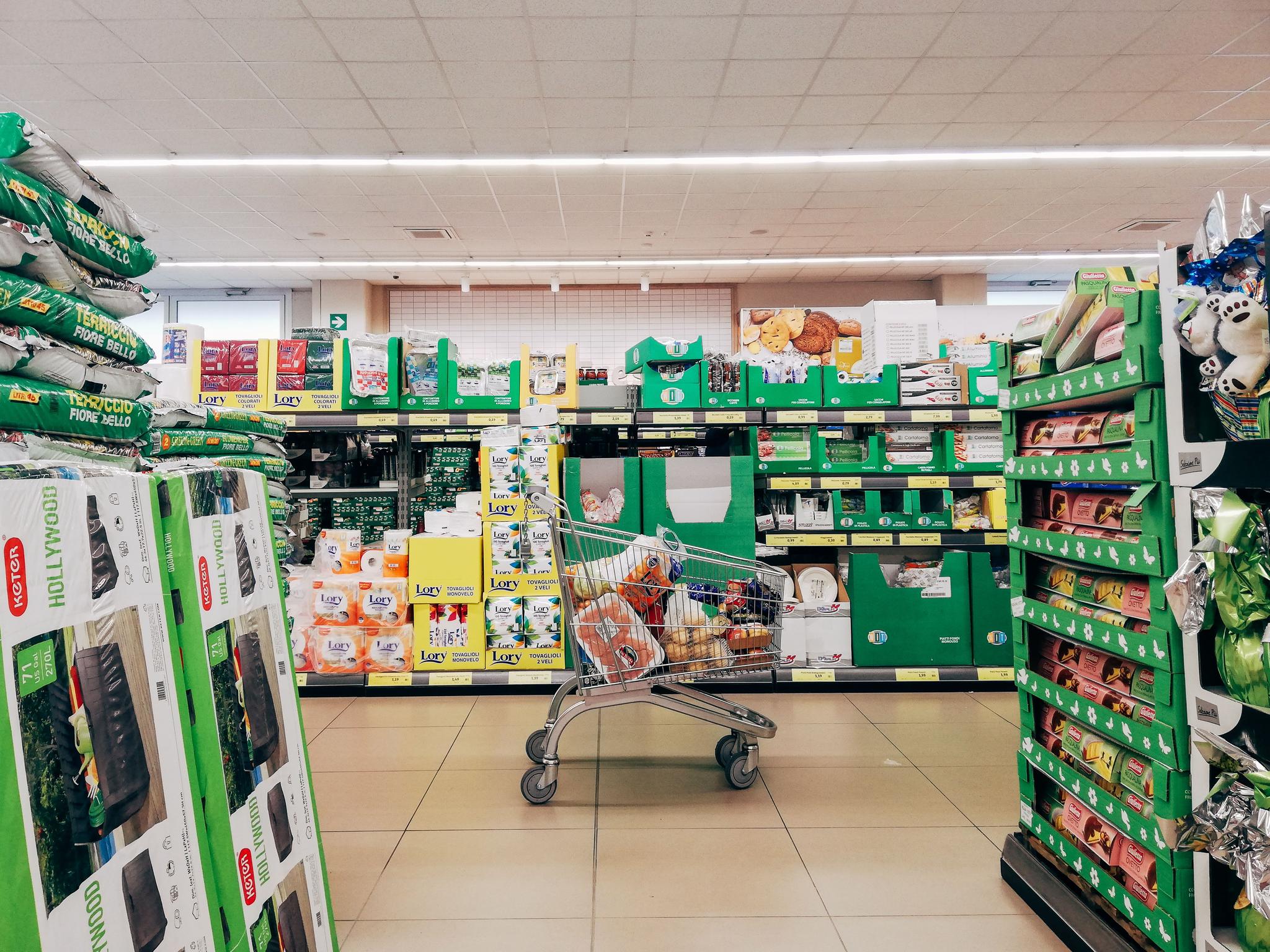
What Does a Weekly Shop Really Cost?
Supermarkets compete fiercely to convince shoppers they offer the best value. But loyalty schemes, special offers and the practicalities of everyday life can make finding the cheapest weekly shop rather more complicated than the advertisements suggest.
By R. D. Kerr
There was a time when doing the weekly shop meant writing a list, finding a trolley with four functioning wheels and hoping there was enough money left for something that wasn’t strictly necessary. These days, shoppers also have to navigate loyalty prices, member-only discounts and competing claims about which supermarket offers the best value.
Take the October 2026 figures from Which?. Shopping for the 87 groceries in its comparison would have set you back £154.34 at Aldi. At Waitrose, you’d have paid £215.87. The researchers used equivalent own-label products when they couldn’t find identical ones, but the difference was still £61.53.
A useful finding, certainly. But it doesn’t follow that everybody would save £61.53 by switching supermarkets.
The cheapest supermarket in a national comparison is not necessarily the cheapest place for everybody to shop. The final bill depends on what goes into the trolley, which discounts apply and, in some cases, how much it costs to reach the shop in the first place.
Once upon a time, the price displayed on a supermarket shelf was generally the price everybody paid. Now, it depends on whether the customer has signed up for the appropriate loyalty scheme.
Tesco’s Clubcard and Sainsbury’s Nectar programmes are familiar examples of retailers offering selected prices to members. Such schemes can reduce the cost of particular purchases, although the savings depend on which products a customer buys and whether those prices compare favourably with alternatives.
There is nothing particularly objectionable about rewarding regular customers. Loyalty programmes have been part of British retailing for decades, and shoppers who regularly use the same supermarket may find genuine value in them. The complication arises when a prominently displayed discount applies only to members, leaving other customers to pay the standard price.
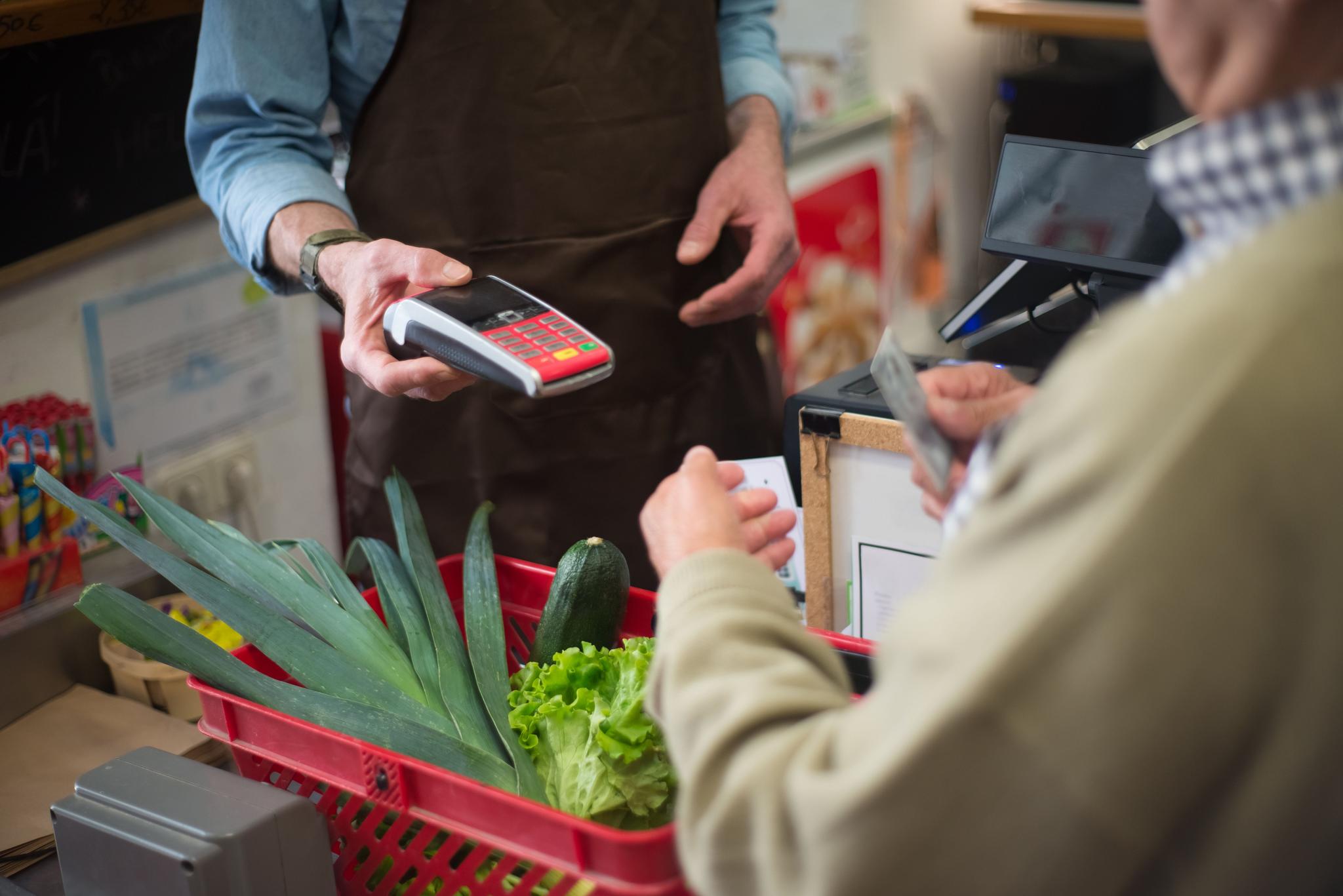
In 2024, the Competition and Markets Authority looked at around 50,000 products sold at loyalty prices. Some 92% were genuinely cheaper than the usual price at the same supermarket, with little evidence that retailers were routinely raising standard prices to make the discounts look better.
That is reassuring, although it doesn’t settle the question of value. A genuine discount at one supermarket can still leave a product more expensive than an equivalent item elsewhere.
Shoppers must establish whether an offer applies, whether the item is needed and whether the reduced price is competitive. It is quite a lot of calculation for a packet of biscuits, particularly when a genuine discount doesn’t necessarily mean you’ve found the cheapest packet.
Independent supermarket comparisons are useful because they measure the same basket of groceries among different retailers. Few shoppers have the time or inclination to visit half a dozen supermarkets to check prices, so having someone else do the legwork is rather helpful.
A standardised basket, however, rarely resembles anybody’s shopping list exactly. A family feeding several children has different requirements from somebody living alone. A pensioner shopping for two may have little interest in the products filling a household’s packed-lunch cupboard. Dietary requirements, preferred brands and available storage could all influence what people buy.
Buying the bigger packet can look like a sensible way to save money. Sometimes it is. But a lower price per kilogram isn’t much use if half the contents end up in the bin.
Unit pricing is useful here. The cost per kilogram or litre often tells a different story from the price printed in large numbers on the shelf. A special offer can look rather less impressive once the quantities are taken into account.
Of course, finding the cheapest groceries is only part of the problem. Two households might pay the same amount at the checkout, but that doesn’t mean they can afford it equally comfortably.
Government figures for the financial year ending 2025 show that the poorest fifth of UK households spent 15.2% of their total expenditure on food and non-alcoholic drinks for home consumption. For the wealthiest fifth, it was 7.9%.
That difference matters when the shopping bill goes up. Some households can absorb the increase without changing much. Others have to start deciding what they can do without.
Even £5 a week makes a difference over time. That’s £260 across a year, assuming the saving can be maintained without spending more elsewhere. It won’t solve anyone’s financial problems, but it might help with another bill.

There is one expense that rarely features in supermarket basket comparisons: the cost of reaching the shop. A retailer might offer the lowest prices in a national comparison while its nearest branch is several miles from a particular household.
For somebody with a car, travelling there involves fuel and time. For somebody relying on public transport, the trip might involve fares, connections and the practical difficulty of carrying groceries home. Not everybody can visit several supermarkets to take advantage of different offers.
Some households must fit their shopping around work, school, or caring responsibilities, while others have little choice but to shop at retailers within a reasonable travelling distance. A supermarket offering the cheapest basket on paper can therefore become a more expensive option once travel is considered.
Online shopping introduces another set of considerations, including delivery charges, minimum order requirements and possible substitutions. Home delivery may be useful or necessary for some customers, but additional costs can affect whether an apparently cheaper basket remains cheaper at checkout.
Convenience is often treated as something customers choose to pay extra for. In practice, it can be a question of which options are available to them.
None of this makes supermarket price comparisons pointless. Independent research helps consumers look beyond advertising claims, identify differences between retailers and make better-informed decisions about where to spend their money.
What it cannot do is establish the cheapest practical weekly shop for every household. That requires considering the products people actually buy, the quantities they need and the retailers they can reasonably reach.
A special offer is only a bargain if you were going to buy the item anyway. Otherwise, you’ve just paid less for something you didn’t need.
Ultimately, the cost of a weekly shop is not determined by an advertising campaign, a loyalty scheme or a supermarket’s position in a national ranking. It is determined by the bill at the checkout, what makes it home and how much of it is actually used.
The trolley with the defective wheel, meanwhile, remains an entirely separate problem.

Post a comment