
The People Who Keep Going: An Ordinary Life, an Extraordinary Commitment
When Ang Cassells first joined a community food club in Partington, she was looking for an affordable way to make use of surplus food. Within a few years, she was helping to keep the service running. Her story shows how much a community organisation can come to depend on the people who use it.
By R. D. Kerr
Standing outside in the rain on a Tuesday is not everybody’s idea of a rewarding afternoon. For Ang Cassells, however, it became something to look forward to.
The Bread and Butter Thing published Ang’s story in November 2022. By then, she was helping to run its community food hub in Partington, Greater Manchester. She enjoyed the work and had become something of a familiar face among the people who came along each week.
She called it her weekly workout. At the charity’s hubs, volunteers help with deliveries, packing food, and serving members, although, in Ang’s own account, she was more concerned with the people she met along the way.
Ang had not originally joined the organisation as a volunteer. She first encountered The Bread and Butter Thing through a flyer distributed at Ear4U, a community centre in Partington. Interested in using surplus food rather than letting it go to waste, she signed up as a member.
The Bread and Butter Thing puts surplus food to use through its community food clubs, where members can collect groceries at a reduced cost. Ang started out collecting food herself, but before long she was volunteering. She eventually took charge of the Partington hub.
Something is interesting about that progression. The people who use community services and those who help provide them are not always separate groups. Sometimes somebody who arrives looking for assistance ends up helping the next person through the door.
Ang’s circumstances played a part in her decision. In the charity’s 2022 account, she explained that she had left full-time employment to care for her husband, who later died from cancer. She also had caring responsibilities for her youngest son, Sean, who is autistic.
Going back to full-time work wasn’t really an option for Ang at the time. She had her son to look after, although she still wanted to get out of the house and do something useful. The food club was somewhere she could do both.
She was also concerned about what might happen to the food club if not enough people were willing to help. It was a service she valued, and she wanted it to remain available in Partington. There was nothing particularly elaborate about the decision. The club needed volunteers, and Ang decided to become one.
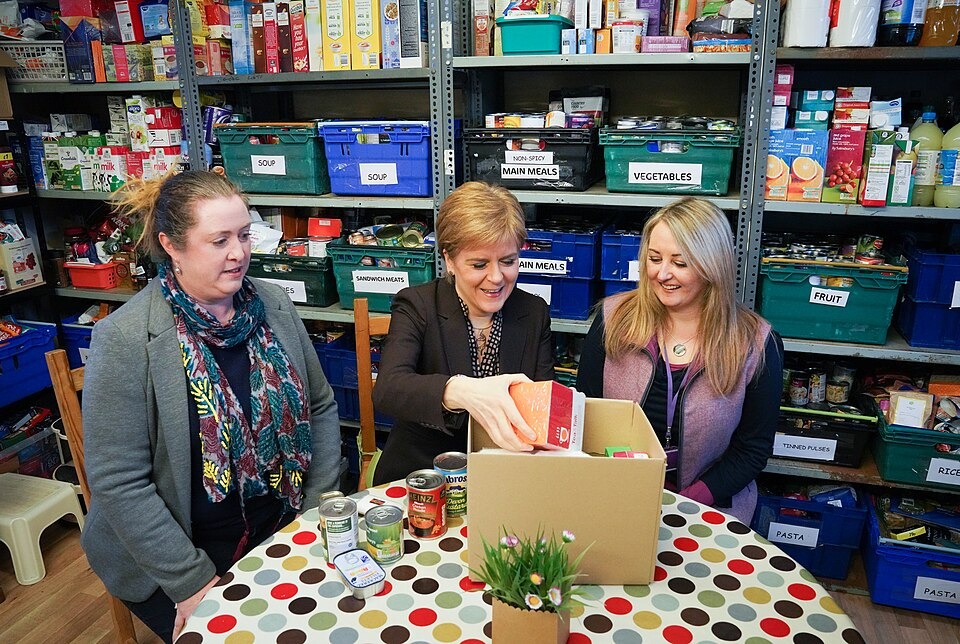
Keeping a community food club running involves more than having food available. Deliveries have to be received, supplies organised and collections prepared. Members also need to know when they can collect their food.
The Bread and Butter Thing describes its hub volunteers as helping unload deliveries, arrange packing stations, prepare bags and serve members. None of those jobs is especially glamorous. Still, they make the difference between a service that operates reliably and one that struggles to open its doors.
For Ang, the work also brought an unexpected benefit. She enjoyed the conversations with members, the amusement, and the chance to spend time with others. Some of the older people visiting the hub valued the opportunity for company as much as the practical help.
Ang described herself as the outspoken one, happy to exchange a little banter while people collected their food. A familiar face and a friendly conversation can make a routine collection feel rather less like a transaction.
She also had a knack for finding other volunteers. In the charity’s account, she recalled persuading someone to help after meeting them in the collection queue. Another joined following a conversation in a café.
The second woman had mentioned having some spare time. Ang apparently took that as an invitation to suggest coming along on Tuesday.
It was hardly a sophisticated recruitment campaign, but it worked.
The people she encouraged to join found their own reasons to stay. For some, particularly older volunteers, having somewhere to go and something useful to do was an attraction in itself. The food club offered affordable supplies to its members, while those who gave their time could find company, routine, and a place in the community.
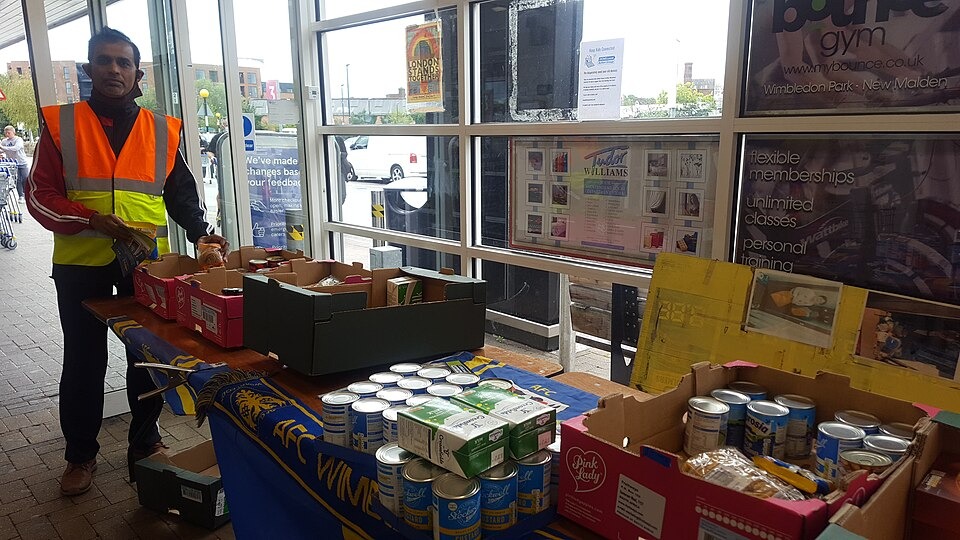
Ang and the other volunteers clearly valued what they were doing. But there is a less cheerful side to the story. People were coming to the food club because affordable food mattered to them. However much goodwill the volunteers brought along on a Tuesday, it couldn’t make the monetary pressures facing those households disappear.
That does not diminish what Ang and others contribute. It simply recognises that the need for help and the inclination to provide it are two different matters.
According to The Bread and Butter Thing, volunteers contributed 183,000 hours during 2025. That is an impressive amount of time, although a total cannot tell us much about the people behind it. Ang’s account gives us a better idea of what some of those hours could entail: turning up in poor weather, helping members and persuading somebody else to give volunteering a try.
When the charity published her story in 2022, Ang was running the Partington hub. Whether she remains involved today is not clear from that account, but her reasons for volunteering at the time come through clearly.
She had joined as a member, found a service she wanted to support and gradually became one of the people helping to keep it available. Along the way, she made friends, encouraged others to volunteer and found a regular place in the life of her community.
There was no grand ambition behind it. She found something worthwhile and began giving it her time.
Community organisations rely on countless decisions like that. The work gets done, the food is distributed, and the collection eventually finishes. Then somebody has to be willing to do it all again.
For Ang, the reward was not simply knowing that people had received their food. It was the conversations, the relationships and the knowledge that she had somewhere useful to be.
Sometimes commitment begins with a flyer, a decision to help and the willingness to come back next Tuesday.

Post a comment