The Last Cumbrian
A language can disappear without anyone noticing the moment it goes. Sometimes what remains is a name on a road sign, a railway ticket, or a word still passing from mouth to mouth.
Cartref.
I hear it and think north.
Past the kitchen, past the border, Cumbria.
Not silence exactly. More an echo
with most of the words missing.
Someone must once have answered.
Farther north, a kindred speech once filled
whole mornings with the ordinary:
children called, work waiting to be done,
weather cursed, and neighbours talked about.
Someone fell in love in it. Someone lied.
And someone certainly swore.
Cumbric is what we call it now.
You can drive through what is left of it.
Penrith on a sign. Cumrew farther on.
Say either name and nothing happens.
Traffic moves. The sign drops behind you.
The language doesn't come back.
Nobody noticed a language ending.
Someone asks a question in the old speech.
The answer comes back differently.
Next time, perhaps, the question does as well.
Nobody writes down when it happened.
By then there is nobody left to ask.
No bell marked it. No last words waited
or a careful hand to write them down.
Cymry. Cumbrians. The resemblance remains.
Up north, the older sounds turn up in places:
Penrith, Cumrew, Blindcrake. You find them
on a road sign, printed on a ticket.
Addressed on an envelope and sent.
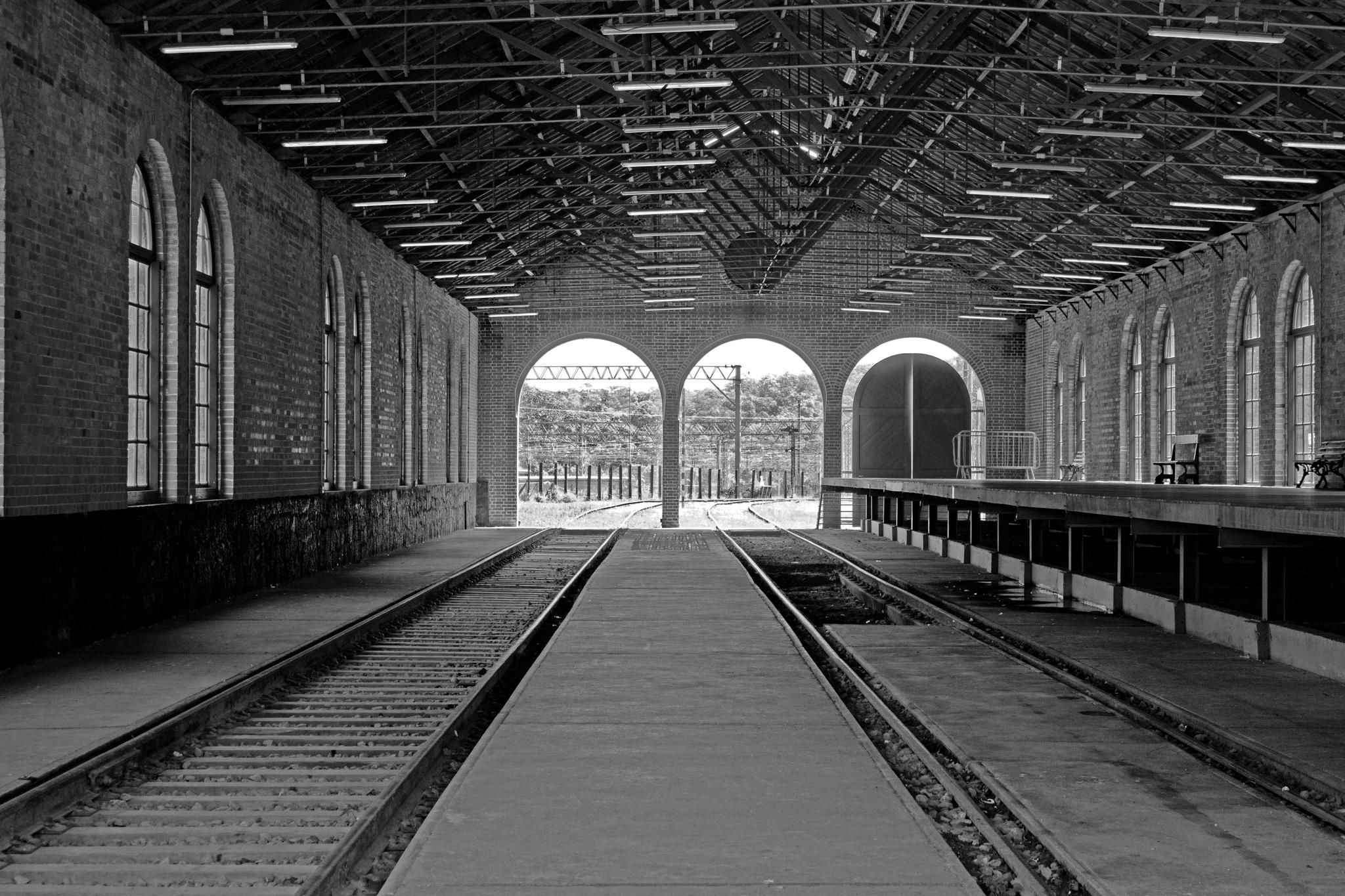
Someone says Penrith at the station.
The board changes—platform three.
A woman repeats it to her children.
Someone farther down the platform says it again.
Penrith.The Last Cumbrian
Cartref.
I hear it and think north.
Past the kitchen, past the border, Cumbria.
Not silence exactly. More an echo
with most of the words missing.
Someone must once have answered.
Farther north, a kindred speech once filled
whole mornings with the ordinary:
children called, work waiting to be done,
weather cursed, and neighbours talked about.
Someone fell in love in it. Someone lied.
And someone certainly swore.
Cumbric is what we call it now.
You can drive through what is left of it.
Penrith on a sign. Cumrew farther on.
Say either name and nothing happens.
Traffic moves. The sign drops behind you.
The language doesn't come back.
Nobody noticed a language ending.
Someone asks a question in the old speech.
The answer comes back differently.
Next time, perhaps, the question does as well.
Nobody writes down when it happened.
By then there is nobody left to ask.
No bell marked it. No last words waited
or a careful hand to write them down.
Cymry. Cumbrians. The resemblance remains.
Up north, the older sounds turn up in places:
Penrith, Cumrew, Blindcrake. You find them
on a road sign, printed on a ticket.
Addressed on an envelope and sent.
Someone says Penrith at the station.
The board changes—platform three.
A woman repeats it to her children.
Someone farther down the platform says it again.
Penrith.
Post a comment