
The Changing British Pub: What It Takes to Keep the Doors Open
The British pub has survived changing tastes, smoking bans and economic upheaval. But keeping one open today can require considerably more than pulling a decent pint.
By R. D. Kerr
A busy pub ought to be a successful pub. Customers are waiting at the bar, glasses cover the tables, and somebody is trying to attract the landlord’s attention with the sort of elaborate hand signals normally reserved for directing aircraft.
From behind the counter, however, things can look rather different. The money coming through the till must cover wages, energy, rent, insurance, maintenance and the cost of buying stock before the business can make a profit. A crowded bar on Friday evening tells us very little about what happens during the rest of the week.
The British pub has always been a social institution, but it is also a commercial enterprise. The distinction is especially important when the bills arrive.
There are considerably fewer pubs than there used to be. Figures from the British Beer and Pub Association, cited by the House of Commons Library, put the UK total at approximately 45,000 in 2024, compared with 60,800 in 2000. That represents a reduction of more than a quarter over 24 years.
Those figures tell us how much the landscape has changed, although they cannot explain why any particular pub disappeared. The circumstances of a village local, a suburban estate pub and a city-centre bar can be very different.
For generations, many pubs relied heavily on selling drinks across the bar. That remains central to the trade, although operators must decide whether drinks alone can sustain their businesses. Some have expanded into food, entertainment, or accommodation, while others concentrate on the traditional pub trade, offering well-kept beer, familiar surroundings, and an atmosphere that encourages customers to return.
Neither tactic guarantees success. What works for one establishment may be entirely unsuitable for another, not least because there is no single business model for the British pub.
An independent freehouse may have considerable freedom in choosing suppliers and pricing, while a tenant operating under a brewery or pub-company agreement may face different purchasing obligations and property costs. Managed pubs operate within larger businesses, with staffing, purchasing and other commercial decisions potentially controlled centrally.
Running a tied pub can mean buying beer and other drinks from a designated supplier, rather than shopping around for the best price. The arrangement may come with practical support or lower initial costs, although the publican has less freedom over what they buy and what they pay.
The arrangements are sufficiently complicated that England and Wales have a statutory Pubs Code regulating the relationship between the largest pub-owning companies and their tied tenants. It applies to businesses that own at least 500 tied pubs, rather than to every tenancy in the country.
The customer generally sees none of this. What appears on the bar is the price of a pint, and that is usually where the argument begins. Yet the difference between buying a drink and selling it is not simply money in the publican’s pocket. It must help keep the building open, the staff employed and the equipment working.
Staffing presents its own difficulties because demand rarely follows a convenient timetable. A calm Tuesday afternoon may need relatively few employees, while a Saturday evening, football match or private function can change the same premises.
Too few staff can lead to longer delays and dissatisfied customers. Too many can leave the business paying wages its takings cannot support. Finding the balance takes judgement, particularly when trade depends on the weather, local events or seasonal demand.
The bills don't get any smaller when the bar is quiet. Staff still need paying, stock needs replacing, and there is always something that needs repairing. Labour and materials costs were among the pressures identified in a November 2025 Office for National Statistics survey of hospitality businesses. The figures weren't specific to pubs, but few publicans would be surprised by the findings.
Food offers another way to attract customers. Sunday lunches, weekday specials and family dining can bring people through the doors who might otherwise choose a restaurant or stay at home. But a kitchen comes with expenses of its own, including equipment, ingredients, storage, food safety requirements, and trained staff.
A pub doing excellent Sunday lunches may still struggle to justify running the same kitchen throughout a quieter working week. A village pub serving walkers and families may benefit from an entirely different approach to that of a city-centre establishment whose trade is concentrated in the evenings and on weekends.
Entertainment presents a similar calculation. Quiz nights, live music and private functions can fill quieter periods while strengthening a pub's relationship with its neighbourhood. They also require organisation and, sometimes, additional staffing or equipment.
A packed quiz night may look like a triumph, but the extra takings have to justify the cost of putting it on. There is little consolation in filling every seat if the evening leaves the business worse off.
Customers, meanwhile, are making their own calculations. Supermarkets can sell packaged alcohol for home consumption without providing the premises, staffing, or social environment of a pub. Comparing supermarket prices with the prices of drinks served in a bar therefore overlooks much of what customers are paying for.
That does not make the difference irrelevant. When household budgets are tight, drinking at home can be considerably cheaper, however enjoyable an evening at the local might be. The pub is competing not only with other hospitality businesses but with the cost of staying in.
Lowering prices may attract customers, but it also reduces the margin available to cover operating costs. Selling more drinks achieves little if the business earns too little per drink.
This is where the well-known description of the pub as a community asset becomes more complicated.
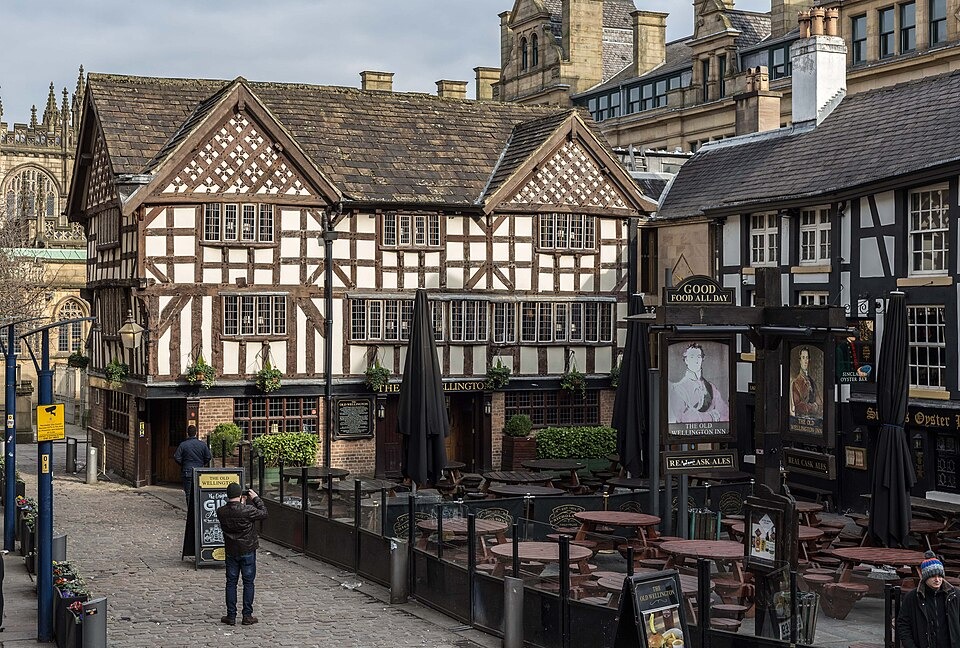
A local pub can provide a place for neighbours to meet, clubs to gather, and fundraising events to take place. In some communities, it is among the few remaining spaces where people can socialise without joining an organisation or arranging an invitation.
Its value may extend well beyond the drinks sold across the bar, but social importance does not automatically make a business financially sustainable. Customers may strongly oppose the closure of a local pub, even if they visit only occasionally, leaving an establishment regarded as essential to the neighbourhood without sufficient regular trade to remain open.
Ask people whether their local pub should stay open and few will argue for closing it. Ask how often they actually go in for a drink, and the answer might be rather different. Unfortunately, affection for a pub doesn't pay the landlord's bills.
Some communities have taken a more direct approach by bringing threatened businesses into community ownership. Plunkett UK's 2025 research recorded 205 community-owned pubs, breweries and distilleries trading across the UK at the end of 2024.
Community ownership offers another possibility, particularly where residents are prepared to invest money, time or expertise. It does not remove the need for a viable business, but it can change who makes the decisions and how the establishment serves its community.
That does not mean every closure is inevitable or that public policy has no influence. Taxation, planning decisions, property ownership and wider economic conditions can all affect whether a pub stays viable. Keeping one, however, requires more than expressing affection for it after a closure notice appears.
The future of the British pub is unlikely to depend on one successful formula. Some establishments will thrive on food, others on entertainment or specialist drinks, and some by doing traditional things particularly well.
What matters is whether they can attract enough customers, often enough, at prices that cover the costs of serving them. The pub has survived by adapting to the people using it, and its next challenge is to remain somewhere those people want to visit while still earning enough to open again tomorrow.
Preferably with the beer still cold.

Post a comment