
The Battle of Hastings Happened Twice
The Battle of Hastings took place on 14 October 1066, when William, Duke of Normandy, defeated King Harold II and changed the course of English history. Nine hundred years later, Britain decided to have another go.
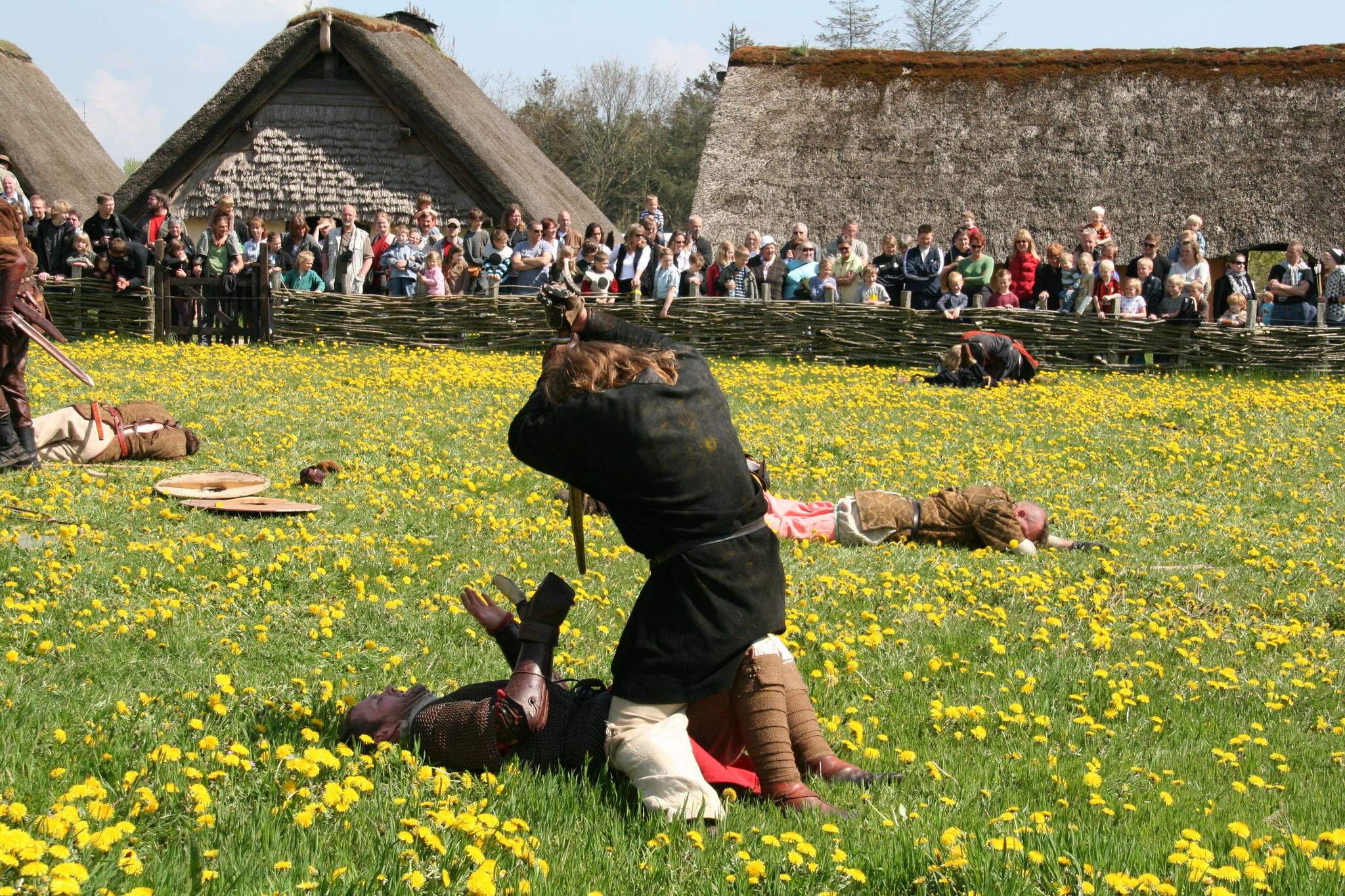
In 1966, hundreds of university students descended on Battle, East Sussex, armed with wooden weapons, improvised armour and rather more enthusiasm than experience of medieval warfare. Students from Kent and Sussex found themselves representing the opposing armies, with an existing university rivalry adding something to proceedings that the organisers may not have anticipated.
The original battle had settled the English succession. The second was apparently organised with the promise of beer and a coach trip. Fortunately, somebody brought a camera.
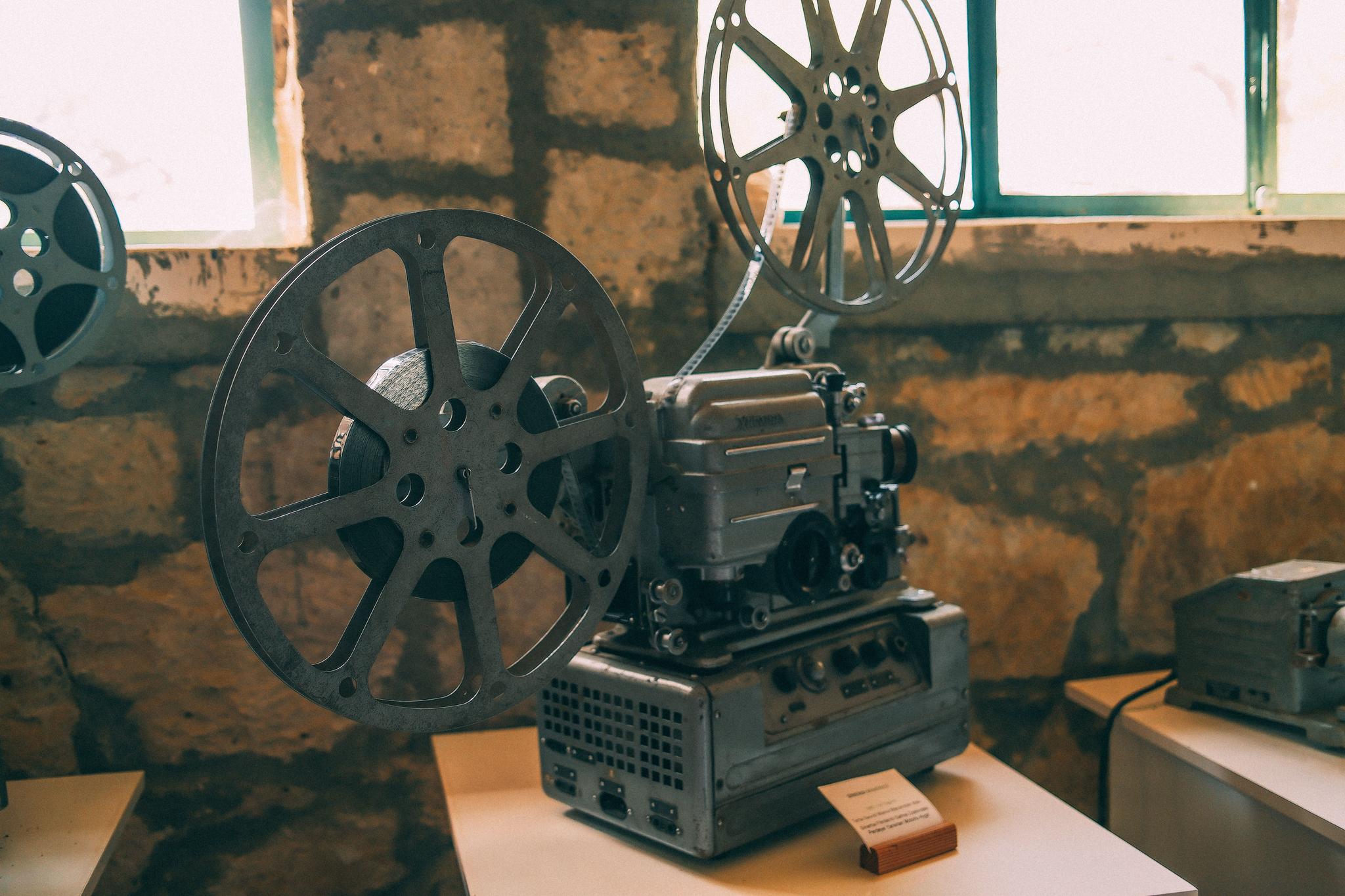
The colour footage was filmed by Hastings businessman Alan Wootton and has now resurfaced almost sixty years later, restored by his son Cliff. English Heritage is showing it during this weekend's anniversary celebrations at Battle Abbey, where hundreds of reenactors will once again gather to recreate one of the most consequential days in English history.
What the film captures, though, is more than an early historical reenactment. It shows a group of people trying to recreate history who, without particularly intending to, were making some of their own.
The 1966 event marked the 900th anniversary of the Norman Conquest. Hastings Town Council invited Wootton to film the celebrations, leaving an unusually vivid record of something that might otherwise have survived largely through photographs and people's memories.
Wootton and his wife Mary ran an electronics business in Hastings and had developed an affordable system for adding sound to home movies. Their sons Cliff and Den helped with the filming. Cliff, then twelve, was one of the sound recordists while hundreds of people dressed as medieval soldiers prepared to fight across the battlefield.
Decades later, he would find himself restoring the film.
The participants have had rather less concern for posterity. Peter Sampson, who took part as a Norman foot soldier, recalled the attractions of beer and a day out. The students had been recruited from universities with an existing rivalry, and some of the fighting became rather more enthusiastic than strictly required by historical commemoration.
Historical accuracy was flexible elsewhere too. Some turned up in sackcloth, others in something resembling chainmail, and wooden swords and shields were the order of the day. The footage shows soldiers marching through Battle High Street, with men on foot getting rather closer to the horses than anyone would recommend today. English Heritage has been particularly diplomatic about the health and safety arrangements.
Organised on precisely the same terms today, the Battle of Hastings might be defeated by the risk assessment.
Yet the event worked. What began as an anniversary spectacle developed into an annual tradition, and sixty years later Battle Abbey still fills with reenactors and visitors wanting to watch the events of 1066 unfold again.
The equipment has improved.

There is a difference between knowing where a battle happened and standing where people fought it.
A history book can explain the succession crisis after Edward the Confessor's death, the competing claims to the throne and the consequences of William's victory. What is harder to put on a page is distance, weight and scale. Armour has to be worn. A shield has to be carried. A horse viewed from the ground is considerably more horse than one printed in a book.
Modern reenactment tries to close some of that distance. Participants research clothing, equipment and techniques, reconstruct objects and work out how they would actually have been used. Nobody at a modern reenactment is experiencing a medieval battle, of course, and attendance might fall rather sharply if they were. What they can experience is something of its physical world.
There is also the useful certainty of knowing how the afternoon ends. However convincing the fighting becomes, William will win and Harold will lose. Nobody needs to prepare an alternative coronation.
The students of 1966 may not have approached the day as an exercise in experimental archaeology, but the tradition they helped establish has become much more concerned with historical interpretation. Today's reenactment includes reconstructed Norman and Saxon camps and demonstrations of everyday life alongside the battle itself.
It remains a spectacle, and people are supposed to enjoy it. Neither of those things makes the history less serious.
After Alan Wootton died, Mary passed roughly 300 reels of his film to their son Cliff. He gradually worked through the collection, processing and improving the surviving material. Ahead of this year's anniversary, he released the restored Battle of Hastings footage to English Heritage, with a new soundtrack by historical musician Jonny Dyer.
Look beyond the wooden swords, and there is Battle in 1966: the streets, crowds, clothes and spectators. The film records how people commemorated history at the time, and what an early modern reenactment looked like before the practice became as established as it is today.
It is also a family film. Cliff was twelve when he helped his father record a local event; now he is the person preserving his parents' work.
English Heritage is trying to identify people who took part in the original reenactment, hoping that some might recognise themselves or be recognised by others and return to Battle as guests.
Somewhere there may be a former student who remembers travelling to Sussex, putting on improvised armour and spending an afternoon hitting another student with a wooden sword. At the time, it was a good day out. Now somebody is looking for him because he has become part of the historical record.
That is what makes the rediscovered film so interesting. The people who gathered at Battle in 1966 were trying to remember something that had happened nine hundred years earlier. Sixty years on, their attempt to remember it has become worth remembering too.
This weekend another generation will arrive at Battle Abbey. They will put on armour, raise shields and fight a battle whose result has been known for 960 years. Some will also be able to watch the people who did it before them.
History has acquired another layer, and this time somebody remembered to keep the film.
Post a comment