
The Show Must Go On: The People Keeping Amateur Theatre Alive
Behind the performances in Greater Manchester’s amateur theatres are the volunteers who give up their evenings and weekends to make sure the curtain rises.
By R. D. Kerr
By the time an audience settles into its seats, most of the work has already been done. The scenery has been built, painted, and positioned; costumes have been altered; programmes have been prepared; and tickets have been sold. Somebody has checked the lighting, somebody else has organised the props, and backstage there is likely to be someone wondering where an important piece of equipment has disappeared.
Then the lights go down, and for the next two hours the audience sees the finished performance. What it rarely sees are the evenings, weekends and occasionally frantic last-minute arrangements that made it possible.
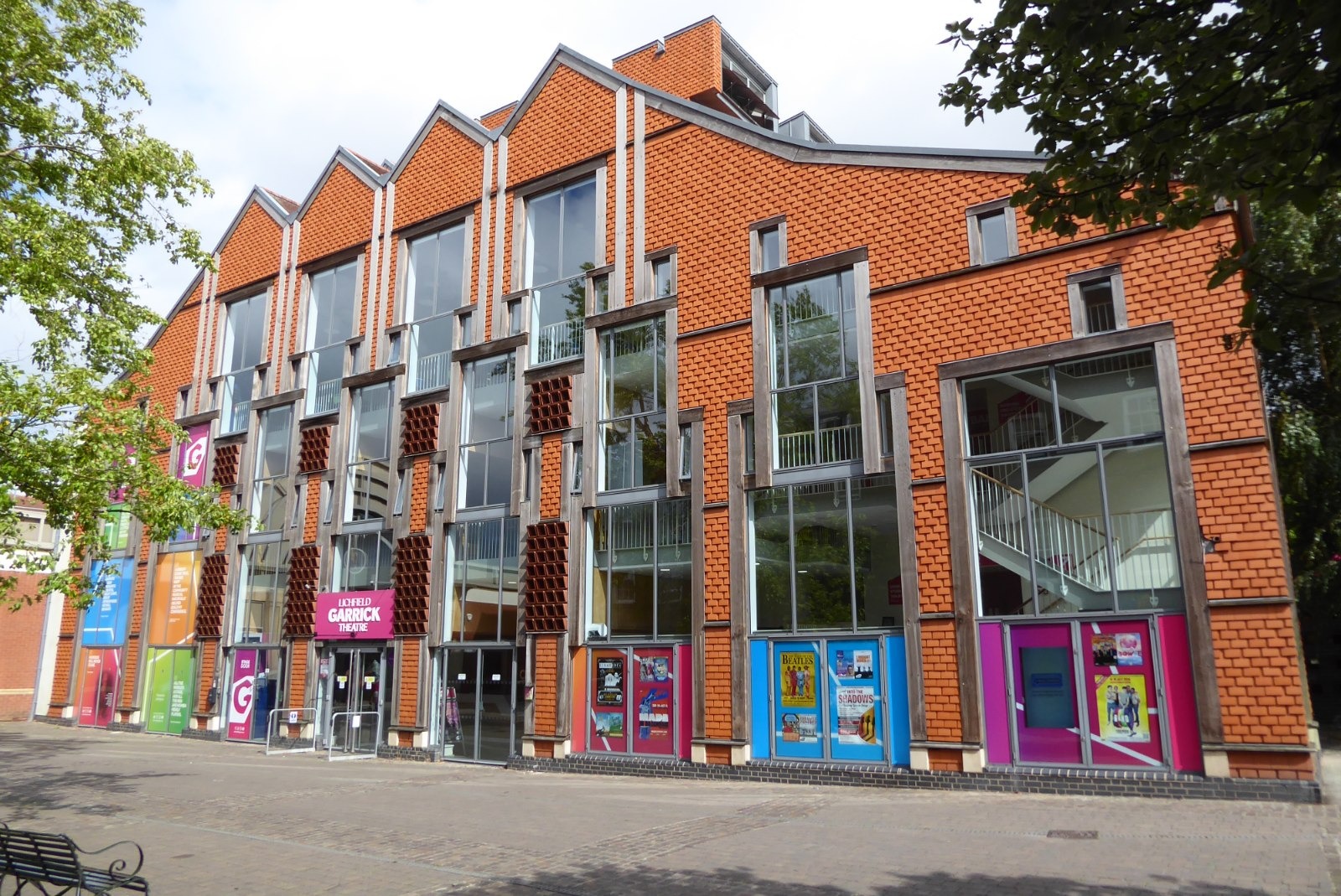
Across Greater Manchester, amateur theatre companies continue to stage plays and musicals, thanks to people who receive little or no payment for their time. Bolton Little Theatre has been part of the town's cultural life since 1931, while Stockport Garrick Theatre dates back to 1901. At Altrincham Garrick Playhouse, volunteers work alongside a small number of paid staff to keep the theatre operating. Some participants perform, others work behind the scenes, and many take on several responsibilities depending on what needs to be done. The distinction between amateur and professional theatre may appear straightforward, but the work involved is often remarkably similar.
A production still needs a director, performers, technical support, costumes, scenery, rehearsal space and an audience willing to buy tickets. There are accounts to manage, insurance to arrange, publicity to organise and, depending on the production, performance rights and safeguarding responsibilities to consider. None of these obligations disappears simply because the people taking part are volunteers.
For many companies, the challenge is fitting everything around ordinary life. Rehearsals take place after working hours, weekends disappear into set construction or technical preparation, and the approach of opening night can demand almost as much attention as a second job. Unlike a second job, however, the reward is unlikely to arrive in a wage packet.
Part of the attraction lies in the performance itself. There is satisfaction in taking something that begins as words on a page and turning it into an experience shared by a room full of strangers. Yet theatre is a collaborative undertaking in which the most visible contributors are not necessarily the only ones responsible for its success.
An actor may deliver a wonderful performance, but somebody has to make sure the lights come on at the right moment. Scenery must be moved, microphones checked and props placed where performers expect to find them. A production depends on dozens of small tasks being completed correctly, many of which the audience will never notice unless something goes wrong.
Nobody buys a ticket to watch the lighting operator, although they would certainly notice if the stage remained dark. The same applies to the people moving scenery, repairing costumes or making sure the right prop is waiting in the right place. Their work is most successful when the audience barely thinks about it.
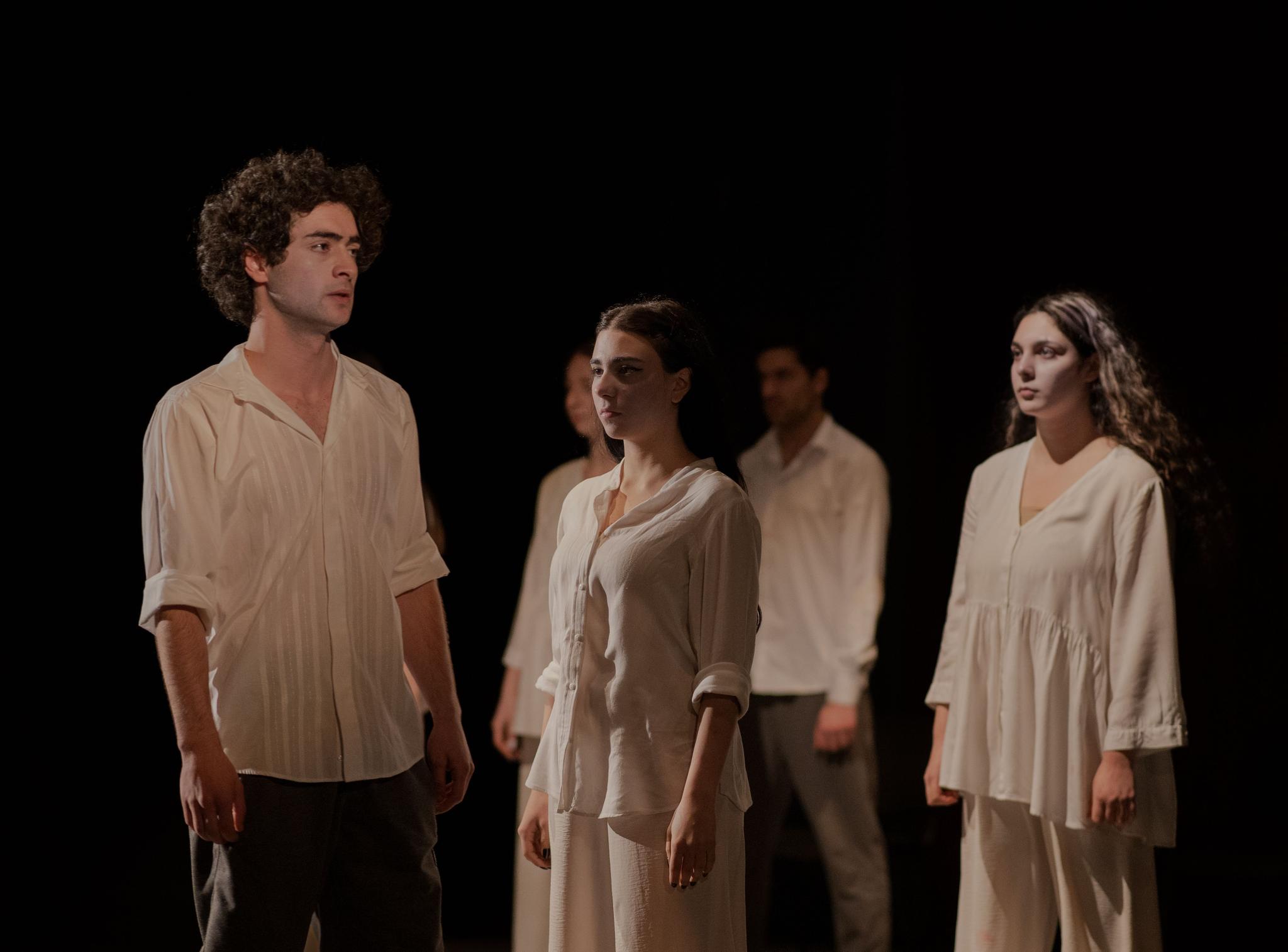
A theatre company can bring together people who would otherwise have little reason to meet. Age, occupation and background matter rather less when everyone is trying to get the same production onto the stage. They must learn to depend on one another, accept criticism and occasionally put aside their own preferences for the sake of the performance. Friendships may develop through that shared responsibility, although a theatre company, like any collection of people working closely together, is hardly immune to disagreements.
For younger participants, local theatre can offer an introduction to performance and technical production, with opportunities to develop confidence and practical skills. Others discover an interest that remains with them throughout adulthood. Not everyone who joins a company dreams of a professional career, and there is no reason they should.
The value of amateur theatre should not depend on whether it produces the next famous actor. A volunteer who spends thirty years making costumes, managing accounts or organising rehearsals has contributed something worthwhile, even if nobody outside the company ever learns their name.
Keeping those opportunities available is not always straightforward. Hiring or maintaining a performance space costs money, while productions may require licensing fees, materials, equipment and insurance. Ticket sales can help cover those expenses, but they do not eliminate the financial risks of staging a show.
Every company needs somebody willing to sit through the meetings. Budgets must be agreed, insurance renewed, and the scenery store occasionally investigated. These are unlikely to be the reasons anyone first joined an amateur theatre group, but without them there may be no next production to rehearse.
Time is another difficulty. An evening spent rehearsing is an evening unavailable for something else, and families, employment and other commitments inevitably affect who can participate. Keeping a company active requires enough people to continue turning up when opening night is still months away, and the excitement of the next performance has yet to arrive.
Stockport Garrick Theatre gives prospective performers an indication of what that commitment can involve. Its usual main-stage schedule includes several weeks of evening rehearsals, two dress rehearsals and seven performances. There is also the set to dismantle the following morning. It is a considerable undertaking for people who must still find time for their ordinary working lives.

The contribution of amateur theatre is not easily measured by ticket sales alone. These companies provide opportunities to participate in the arts rather than consume them. Someone who would never consider auditioning for a professional production may find a place in a local company. At the same time, a person with practical skills but little interest in performing may discover that a theatre needs precisely what they can offer.
For audiences, there is the opportunity to watch live performances close to home, sometimes featuring neighbours, colleagues or familiar faces from the community. The attraction is not necessarily that the production will rival a major professional theatre, but that it has been created by people with a connection to the place in which it is performed.
That does not mean amateur productions should be exempt from criticism simply because people have worked hard on them. The performances must still entertain, engage or challenge their audiences. What distinguishes the undertaking is the willingness to devote so much time and effort to creating something that may exist for only a handful of evenings.
When the final performance ends, the work continues. Scenery must be dismantled, costumes returned, equipment stored and accounts settled.
Eventually somebody suggests another production, and the whole thing begins again. There will be auditions, rehearsals, scenery to build and another opening night to worry about. Somewhere along the way, somebody will probably misplace an important prop.

Post a comment